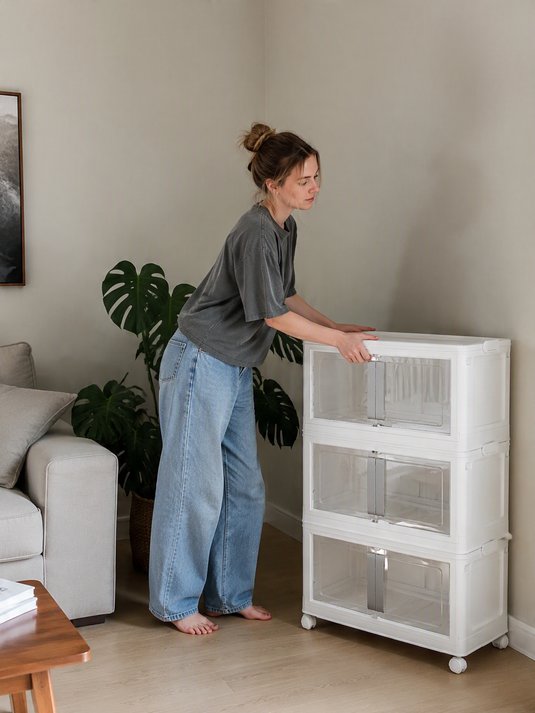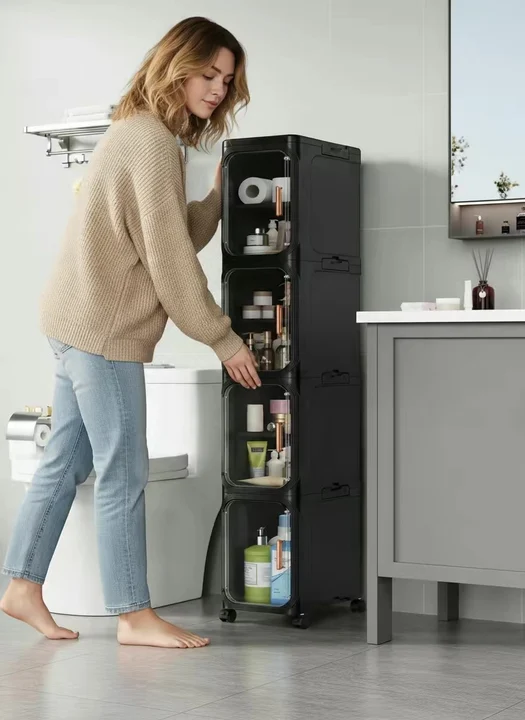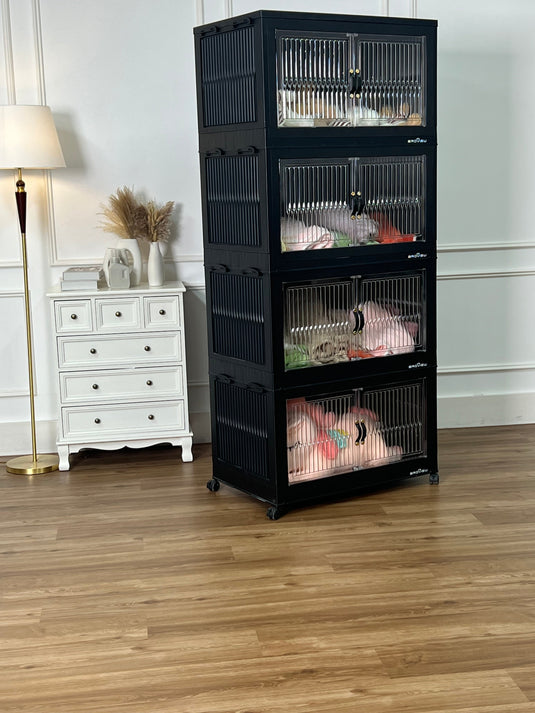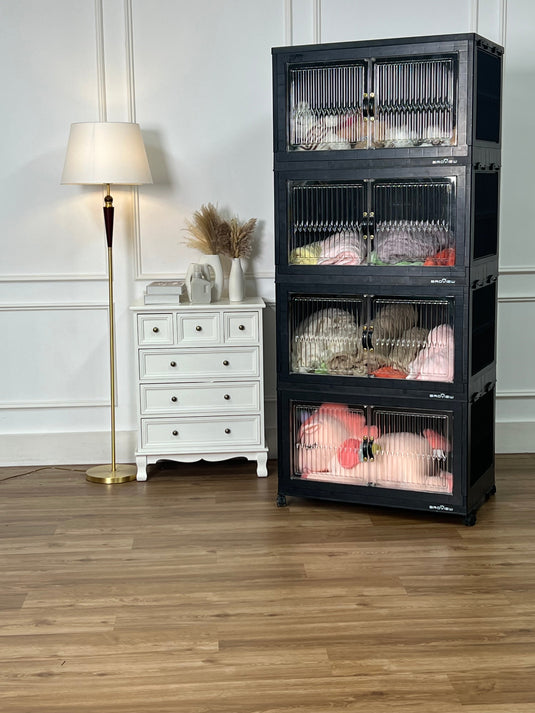
Choosing storage bins is not just about finding something that fits on a shelf. The right container protects what you store, holds up to repeated use, and saves you from replacing cracked lids, warped boxes, or flimsy totes every season. If you want durable storage bins for a garage, closet, attic, office, warehouse, or moving project, the key is to match the bin’s material, structure, lid style, and load capacity to the job.
This guide walks through how to choose storage bins and containers that last, with practical details you can use before you buy. You will learn what affects storage bins durability, when to choose heavy-duty storage, and which small design features make a container easier to use for years.
What makes a storage bin durable?
A durable storage bin is one that can handle the weight, environment, and frequency of use you expect from it without cracking, bending, losing its lid, or becoming difficult to carry. Durability comes from several factors working together: the plastic or material type, wall thickness, reinforced corners, lid design, handle strength, and whether the container is built for stacking, transport, moisture exposure, or long-term storage.
The mistake many people make is judging a bin by size alone. A large container is not automatically stronger, and a thick-looking tote is not always the right choice for every setting. A bin that works perfectly for blankets in a bedroom closet may fail quickly if it is filled with tools, dragged across concrete, or stored in a hot garage.
When evaluating storage bins durability, think about three questions: what will go inside, where the bin will live, and how often it will be moved. A container meant for holiday decorations has different needs than one used for heavy hardware, business inventory, camping gear, or moving supplies. The best choice is the one designed for the real conditions it will face.

Start with the storage environment
Where a bin will be stored has a major effect on how long it lasts. Indoor closet storage is usually forgiving, while garages, basements, sheds, storage units, vehicles, and warehouses can expose containers to temperature changes, moisture, dust, pests, and rough surfaces.
In a climate-controlled room, most quality plastic bins can last a long time if they are not overloaded. For attics or garages, you need to think more carefully about heat, cold, and stacking pressure. Plastic can become more brittle in cold conditions and may soften or warp in high heat, especially when a bin is heavily loaded or placed near a heat source.
Basements and sheds bring different concerns. Moisture resistance matters more, and a tight-fitting lid can help protect contents from dust and splashes. If the area is prone to dampness, avoid cardboard for long-term storage and choose containers that lift contents off the floor when possible.
For commercial or high-traffic spaces, heavy-duty storage is often worth the upgrade. Bins may be lifted daily, slid on shelves, stacked high, or handled by multiple people. In those settings, handles, lids, and reinforced corners are not minor details. They are the parts most likely to determine whether the container stays useful.
Match the container to what you are storing
The contents should guide the container. Lightweight items such as linens, seasonal clothing, stuffed toys, and paper decorations do not require the same strength as books, tools, tiles, hardware, or sports equipment. Overloading a bin is one of the fastest ways to crack the base, bow the sides, or make the lid impossible to secure.
Before buying, estimate both the weight and shape of what you plan to store. Dense items should go in smaller bins so they remain manageable to lift. Large bins are better for bulky but lighter items. A huge tote filled with books may seem efficient until the handles strain, the bottom flexes, or no one can safely move it.
Sharp or awkward items need extra attention. Metal tools, garden supplies, and craft equipment can scrape or puncture thin plastic. Choose a bin with thicker walls, a reinforced bottom, and enough room so contents are not pressing hard into the sides. For fragile items, durability is not only about the bin surviving; it is also about whether the container protects what is inside from crushing and impact.
Use this simple matching approach:
-
Lightweight household items: clear or opaque lidded bins with moderate strength are usually enough.
-
Clothing and linens: bins with smooth interiors and secure lids help keep fabric clean and snag-free.
-
Books, files, and paper: smaller containers reduce weight and make stacking safer.
-
Tools and hardware: choose heavy-duty storage with reinforced handles and a strong base.
-
Holiday decorations: stackable bins with reliable lids help prevent crushing between seasons.
-
Camping or sports gear: look for impact resistance, secure closures, and easy-grip handles.
-
Garage or shed supplies: prioritize thick plastic, moisture resistance, and sturdy construction.
Material matters more than appearance
Most storage bins are made from plastic, but not all plastic bins perform the same way. Some are built for light indoor storage, while others are made for repeated handling, stacking, and heavier loads. Appearance can be misleading, so look beyond color, shape, and size.
Clear plastic bins are popular because they let you see what is inside. They are useful in closets, craft rooms, offices, and pantries where quick identification matters. However, clear bins can vary widely in strength. Some are designed for light-duty organization, while others are thicker and better suited for stacking.
Opaque bins often feel sturdier and may hide clutter better. Dark or solid-colored bins are common in garages and storage rooms because they can make spaces look neater. They also block light, which can be helpful for items you do not want exposed over time. The tradeoff is that you will need labels or a strong organization system.
Flexible plastic can absorb some impact without cracking, but if it is too flexible, it may bow under weight. Rigid plastic can stack neatly, but lower-quality rigid bins may crack if dropped or exposed to harsh conditions. The best durable storage bins balance strength with enough resilience to handle normal bumps and movement.
Some storage containers are made from fabric, metal, wood, or cardboard. These materials can be useful in the right setting, but they are not always ideal for long-term durability. Fabric cubes work well for light indoor organization. Metal containers may be strong but can dent, rust, or be heavier than needed. Cardboard is affordable and easy to label, but it is vulnerable to moisture, pests, and crushing.
Choose the right size instead of the biggest size
Bigger is not always better. Oversized bins encourage overpacking, which can make them hard to lift and more likely to fail. The right size is one that holds the contents comfortably while staying safe to carry, stack, and access.
For heavy items, smaller containers are usually smarter. A medium bin filled with tools is easier to move than a large tote packed to the top. For bulky items like pillows, sleeping bags, or winter coats, larger bins make sense because the load remains relatively light.
Think about the shelves, closets, trunks, or storage racks where the containers will go. Measure the available space before buying, especially if you plan to purchase several matching bins. A bin that is slightly too tall for a shelf or too wide for a cabinet can turn a clean storage plan into a frustrating one.
Also consider the opening size. A deep bin with a narrow top can be annoying when you need to reach items at the bottom. Shallow bins are easier for frequently used items, while deep bins are better for seasonal or rarely accessed storage.
How do you know if a bin is strong enough?
A bin is strong enough when it can hold its intended contents without flexing heavily, support reasonable stacking pressure, and be lifted by its handles without strain or cracking. Look for reinforced corners, a sturdy rim, a base that does not bow easily, and a lid that stays aligned when the bin is full.
If you are shopping in person, gently press the sides and bottom. Some flexibility is normal, but the plastic should not feel paper-thin or unstable. Check the handles closely, since they take the most stress when the bin is moved. Handles molded into the body of the bin are often more dependable than fragile add-on grips, especially for heavy loads.
Inspect the rim around the top. A strong rim helps the bin hold its shape and supports stacking. If the top edge bends easily when empty, it may struggle when the container is loaded. The lid should fit securely without requiring force, and it should not pop off when the bin is lifted or shifted.
For online shopping, read the product details carefully. Look for information about weight capacity, stacking design, intended use, and material thickness if provided. Product photos can help, but they rarely tell the whole story. Pay attention to images of the corners, lid, handles, and bottom rather than only the staged lifestyle shots.
A quick durability checklist:
-
The sides feel stable, not flimsy.
-
The bottom is reinforced or thick enough for the intended load.
-
The rim holds its shape when handled.
-
The lid fits evenly and securely.
-
Handles are comfortable and integrated well.
-
The bin stacks without sliding or crushing the lid below.
-
The size suits the weight of the contents.
-
The material matches the storage environment.
Lid design affects long-term performance
A lid does more than cover the top. It protects contents, supports stacking, keeps dust out, and helps the bin maintain its shape. A poor lid can make even a decent container frustrating to use.
Snap-on lids are common for household storage. They are convenient and usually affordable, but quality varies. A good snap-on lid should attach securely along the edges and stay in place when the bin is moved. If the lid feels loose when the bin is empty, it may be worse when the bin is full.
Hinged lids can be helpful for items you access often because the lid stays attached. This reduces the chance of losing covers and speeds up organization. However, hinges can become weak points if they are thin or repeatedly forced open beyond their natural range.
Latch lids provide extra security. They are useful for moving, garage storage, camping gear, and anything that might shift during transport. The latches should feel sturdy and easy to operate, not brittle or overly tight. If a latch is difficult to close, people may force it, which can shorten its lifespan.
For stackable storage, the lid should have a shape that helps the bin above sit securely. Flat lids can work, but recessed or grooved lids often provide better stability. If you plan to stack bins high, make sure the lower containers are strong enough for the load and that the lids do not cave in.
Handles are often the first failure point
Handles deserve more attention than they usually get. A storage bin may look strong while sitting on a shelf, but its true test comes when someone lifts it. Weak handles can crack, pinch hands, or separate from the container.
For light-duty storage, simple molded handles may be enough. For heavy-duty storage, look for large grip areas and reinforced handle zones. The connection between the handle and bin body should feel substantial, not thin or sharp. If the handle is part of the lid instead of the bin, be cautious with heavy loads because the lid may not be designed to support the full weight.
Comfort also matters. If a bin is awkward to hold, people are more likely to drag, drop, or shove it. Those habits can shorten the container’s life. Rounded edges and enough hand clearance make a noticeable difference, especially when carrying bins up stairs, across a garage, or in and out of a vehicle.
Stackability can protect or damage your bins
Stackable bins are useful, but only if they are designed for stacking and used within reasonable limits. A strong-looking stack can still cause damage if the lower bins are overloaded or the lids cannot support weight.
Choose containers with lids and bases that fit together securely. This reduces sliding and helps distribute pressure. Avoid stacking heavy bins on top of light-duty containers, and never place the heaviest items at the top. The safest system puts the densest bins low and the lightest bins high.
If you stack bins in a garage, storage room, or business space, leave enough access so you do not have to repeatedly unstack everything. Constantly moving bins increases wear on lids, corners, and handles. For frequently used items, shelving may be better than tall stacks because each bin can be removed independently.
Good stacking habits include:
-
Place the heaviest bins on the bottom.
-
Keep stacks at a manageable height.
-
Use matching bins when possible for better alignment.
-
Avoid stacking on uneven floors.
-
Do not stack bins with bulging lids.
-
Recheck long-term stacks occasionally for bowing or cracks.
Clear, opaque, or color-coded containers
The best visual style depends on how you organize. Clear bins make it easy to identify contents at a glance, which is helpful when several people use the same storage area. They work well for craft supplies, toys, office items, pantry overflow, and seasonal accessories.
Opaque bins create a cleaner look and can be better for garages, utility rooms, or open shelving where visible clutter is distracting. They are also helpful when contents vary in shape or color and you want a more uniform appearance. Because you cannot see inside, labels become essential.
Color coding is useful when you have multiple categories. For example, you might use one color for holiday decorations, another for tools, another for camping gear, and another for children’s items. This saves time because people can identify the general category before reading the label.
The key is consistency. A mix of random containers can work in the short term, but it often becomes harder to maintain. Matching or coordinated bins make stacking easier, labeling clearer, and storage areas more efficient.
Labels extend the usefulness of every container
Durable storage bins last longer when they are used correctly, and labels help make that happen. When people can see what belongs in each bin, they are less likely to overfill containers, force lids closed, or dig roughly through stacks.
A good label should be specific enough to save time. “Decorations” is less helpful than “Fall decorations” or “Outdoor holiday lights.” For bins with mixed contents, list the main items rather than trying to include every small piece.
Use label types that match the environment. Paper labels may be fine indoors, but garages, basements, or sheds may need stronger adhesive labels, label holders, or removable tags. If you often change contents, use reusable labels or write on painter’s tape so you can update the bin without leaving old residue.
A simple labeling system can include:
-
A broad category, such as “Camping” or “Winter Clothing.”
-
A short contents list, such as “gloves, scarves, hats.”
-
A location note, such as “top shelf” or “garage rack.”
-
A date if contents are seasonal or rotated.
-
A number if you keep an inventory list elsewhere.
Durable storage bins are worth it when replacement costs add up
Cheaper bins can be fine for light, low-risk storage. If a container sits in a closet and holds soft items, you may not need the strongest option available. The value question changes when a bin protects heavier, more expensive, or harder-to-replace contents.
Durable storage bins often make sense for items that are moved frequently, stored in challenging environments, or stacked for long periods. A stronger bin can reduce breakage, make storage safer, and prevent the annoyance of cracked lids or collapsed sides. It can also help keep storage areas neater because the containers hold their shape over time.
Heavy-duty storage is especially useful for garages, workshops, moves, events, shared storage rooms, and business operations. In those situations, containers are not just passive boxes. They are part of the workflow. If they fail, they waste time and may damage what they were meant to protect.
That does not mean every bin you own must be heavy-duty. A smart storage system uses different strengths for different jobs. Spend more where durability matters and use lighter containers where the risk is low.
Buying mistakes that shorten container life
Many storage problems begin at the point of purchase. Choosing the wrong bin for the job can make even a new container seem poorly made. Avoiding a few common mistakes can help you build a storage setup that lasts.
One mistake is buying only by price. The cheapest bin may work for temporary use, but it may not be the best value if it cracks after a few moves. Another mistake is buying only by volume. A large capacity is not helpful if the loaded bin becomes too heavy to lift safely.
People also overlook lids. If the lid is flimsy, hard to align, or easy to lose, the bin becomes less useful. Another issue is mixing too many different shapes and sizes. Random containers can waste shelf space and create unstable stacks.
Avoid these common problems:
-
Buying oversized bins for dense items.
-
Using light-duty bins in garages or sheds.
-
Ignoring handle strength.
-
Stacking bins that are not designed to stack.
-
Choosing clear bins when contents need light protection.
-
Skipping labels and relying on memory.
-
Forcing lids closed on overfilled containers.
-
Dragging bins across rough floors instead of lifting them properly.
Maintenance helps containers last longer
Even strong bins need basic care. Storage containers are often treated roughly because they seem simple and replaceable, but a few habits can extend their life.
Clean bins before long-term storage, especially if they held outdoor gear, food-related items, or damp materials. Dirt and moisture can create odors or residue, and damp contents can affect whatever else is stored nearby. Let containers dry fully before closing the lid.
Avoid leaving plastic bins in direct sun for extended periods unless they are designed for that exposure. Sunlight and heat can weaken many materials over time. If you store bins in a garage or shed, try to keep them away from windows, heaters, and areas where heavy items may fall onto them.
Do not force a warped or misaligned lid. Check whether the bin is overfilled or whether something is blocking the rim. Forcing lids can crack corners, bend latch points, or make the cover stop fitting properly. If a container is consistently too full, move up to a larger size or split the contents into two bins.
A practical buying plan
Before buying new containers, take a few minutes to plan. This prevents impulse purchases that do not fit your space or your contents. It also helps you avoid buying too many different styles.
Follow this process:
-
Sort first. Remove anything you no longer need so you do not buy bins for clutter.
-
Group by category. Keep similar items together, such as tools, paperwork, seasonal décor, or sports gear.
-
Estimate weight. Decide which groups need smaller or stronger containers.
-
Measure storage areas. Check shelf height, depth, floor space, and closet dimensions.
-
Choose a bin type. Decide whether you need clear, opaque, latch-lid, stackable, or heavy-duty storage.
-
Buy a small test batch. If possible, try a few before committing to a full system.
-
Label immediately. A bin without a label quickly becomes another mystery box.
-
Review after use. If a container bows, cracks, or becomes hard to lift, adjust before buying more.
This approach takes a little more time upfront, but it creates a system that is easier to maintain. Instead of collecting mismatched boxes, you build storage around real needs.
The best container is the one that fits the job
There is no single perfect storage bin for every situation. The right choice depends on weight, environment, access frequency, stacking needs, and how much protection the contents require. When those factors line up, a storage container becomes more than a box; it becomes a reliable part of your home or workspace organization.
If you want durable storage bins that last, focus on construction instead of appearance alone. Check the base, corners, rim, handles, and lid. Choose smaller bins for heavy items, stronger bins for rough environments, and clear or labeled bins for easy identification.
Storage bins durability is mostly about matching the container to the task. Buy for how the bin will actually be used, not just how it looks on the shelf. With the right heavy-duty storage where it matters and lighter containers where they make sense, you can create a cleaner, safer, and longer-lasting storage system.