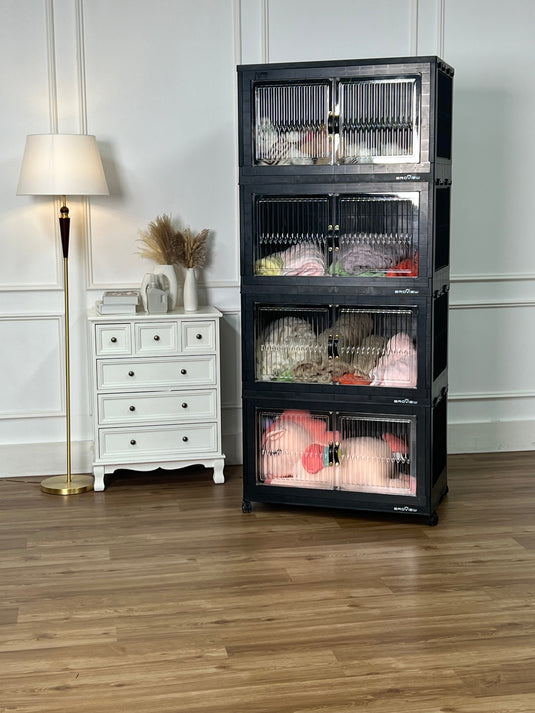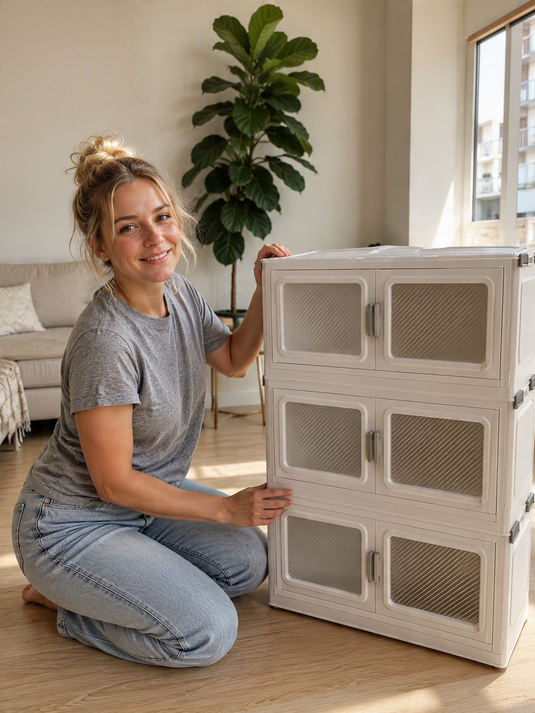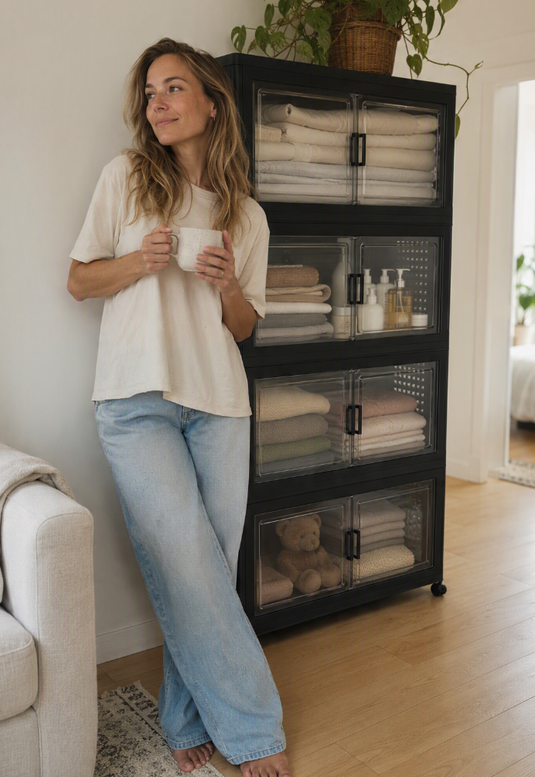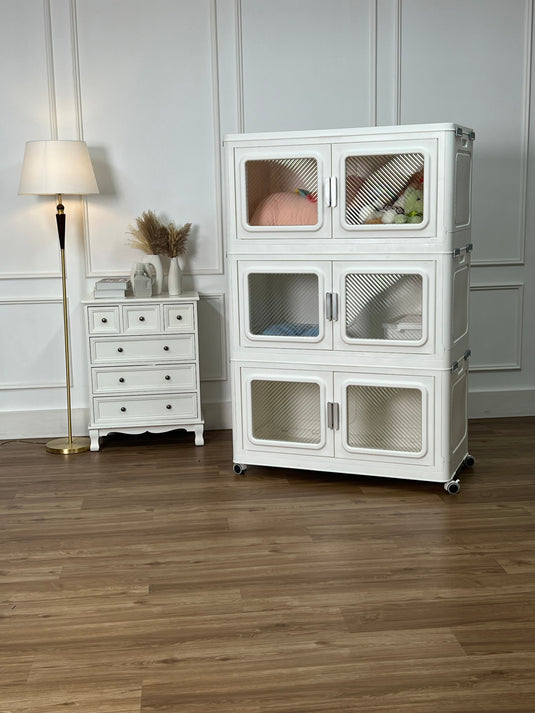
Choosing between foldable and rigid storage bins comes down to how you use your space when the bins are full, half-full, or empty. Foldable storage bins usually save more space when they are not in use, while rigid bins are better when you need sturdy, stackable storage that stays loaded most of the time. The best storage solutions often mix both, depending on the room, the items, and how often you need access.
Which type of bin actually saves more space?
Foldable bins save more space when storage needs change often because they collapse flat or nearly flat between uses. That makes them ideal for seasonal items, temporary organizing projects, portable storage, and homes where every closet shelf matters. Rigid bins can save space too, but mostly when they are packed efficiently and stacked in a stable way.
The key difference is “stored space” versus “active space.” If a bin is always full, a rigid container may use space more predictably. If it sits empty for weeks or months, a foldable bin avoids becoming clutter itself.

The case for foldable storage bins
Foldable storage bins are designed for flexibility. You can open them when you need them, fill them for a move, trip, closet refresh, toy rotation, or laundry overflow, then collapse them when the job is done. This makes them especially useful in apartments, dorm rooms, RVs, shared spaces, and multipurpose rooms.
They are also easier to tuck into narrow gaps. An empty rigid bin still takes up its full shape, but a collapsed foldable bin may slide under a bed, behind a door, on a closet shelf, or inside a larger container.
Foldable bins tend to work well for:
-
Seasonal clothing: sweaters, scarves, swimwear, or guest linens that rotate in and out.
-
Kids’ items: toys, crafts, and school supplies that change throughout the year.
-
Portable storage: car trips, picnics, market runs, or temporary sorting.
-
Small-space living: closets, cabinets, and rooms where storage has to adapt.
Their main limitation is structure. Some foldable designs may not stack as neatly when heavily loaded, and soft-sided versions can bulge if overfilled.
The case for rigid storage bins
Rigid bins are the steady workhorses of home organization. They keep their shape, protect contents better from crushing, and often stack more securely. If you are organizing a garage, basement, attic, pantry, or long-term storage area, rigid bins can make shelves cleaner and easier to manage.
They are especially helpful when items are heavy, fragile, or awkwardly shaped. Tools, holiday decorations, documents, cleaning supplies, and bulk pantry goods often benefit from a firmer container.
Rigid bins make sense when you need:
-
Reliable stacking for shelves or storage units.
-
Better protection for delicate or heavy items.
-
Consistent dimensions for labeling and arranging.
-
Frequent access without folding, unfolding, or reshaping the bin.
The tradeoff is that rigid bins keep taking up space even when empty. If you buy more than you need, they can quickly become part of the clutter problem.
How should you choose for each room?
Choose based on whether the bin will stay full, move around, or disappear between uses. A closet with changing seasonal items may benefit from foldable storage bins, while a garage shelf filled with tools may call for rigid containers. For many homes, the smartest answer is not one or the other, but using each where it performs best.
A simple room-by-room approach can help:
-
Bedroom closets: foldable bins for clothing rotation and accessories.
-
Garage or shed: rigid bins for tools, hardware, and heavier supplies.
-
Living room: attractive foldable bins for blankets, games, or quick cleanup.
-
Kitchen or pantry: rigid bins for bottles, cans, and grouped staples.
-
Car or entryway: foldable bins for portable storage and errands.
A practical space-saving strategy
Before buying any bin, measure the area where it will live. Shelves, under-bed spaces, cabinet interiors, and trunk space all have limits that matter more than the bin’s advertised capacity. Also think about what happens when the bin is empty.
For the most efficient setup, keep rigid bins for heavy-duty, long-term organization and foldable bins for flexible, occasional storage. Label both clearly, avoid overfilling, and review them every few months so storage does not quietly become clutter.
The bottom line
In the debate over foldable vs. rigid storage bins, foldable options usually save more space when they are empty or used occasionally. Rigid bins are better for durable, stackable, long-term storage. If your goal is a home that adapts easily, combine both types and match each bin to the job it needs to do.