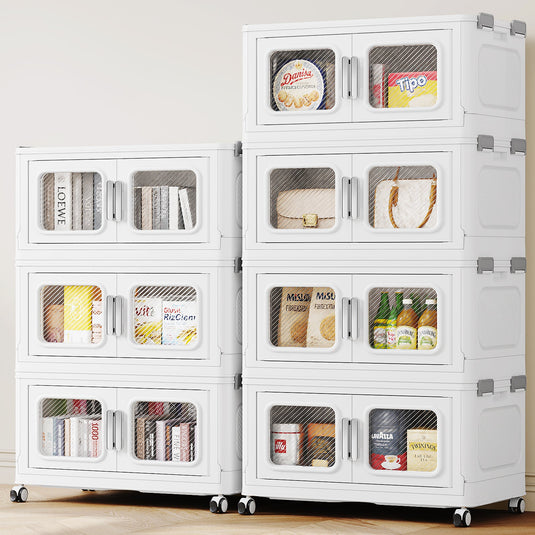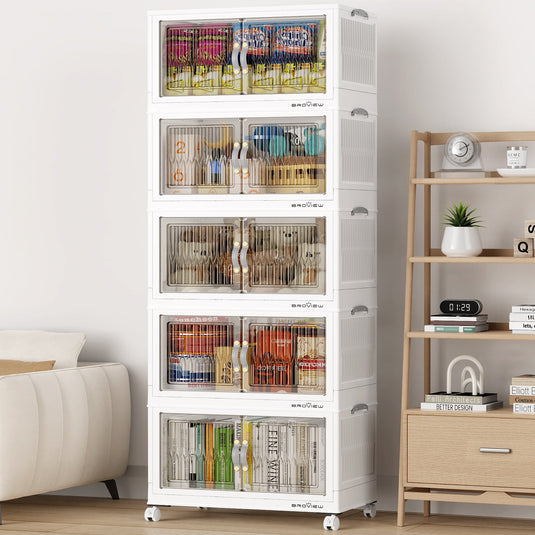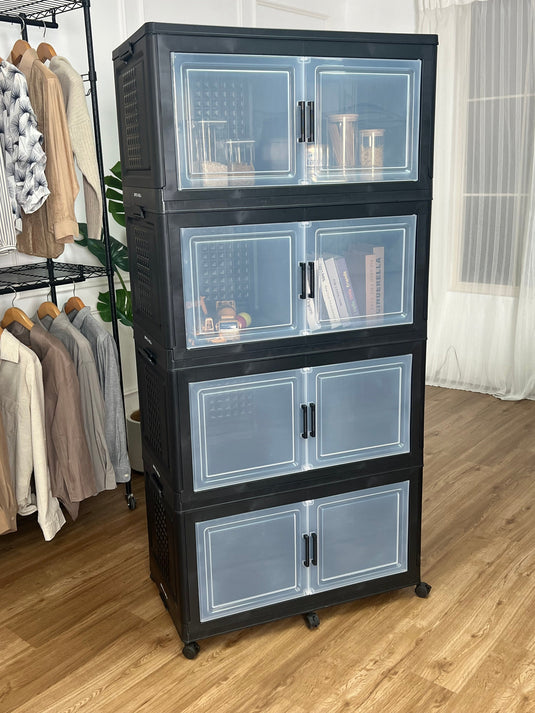
We all crave a tidy, peaceful home. A space where we can unwind, entertain, and recharge without being visually assaulted by piles of mail, rogue charging cables, and out-of-season clothing. Yet, the journey to achieving this organizational nirvana often leads us straight to the plastic goods aisle of a big-box store. For decades, the default solution to household clutter has been semi-transparent plastic tubs.
But let’s be honest: nothing disrupts a beautifully curated living space faster than a stack of sterile, utilitarian plastic. If you have spent time and energy designing a beautiful home—carefully selecting your furniture, curating your artwork, and agonizing over paint swatches—your organization methods should reflect that same elevated aesthetic.
Fortunately, the era of compromising design for pure, uninspired functionality is over. Today, finding stylish storage cubes for modern interiors (alternatives to plastic bins) is easier and more exciting than ever. These meticulously designed pieces do more than just conceal the chaos; they actively enhance your home’s decor. Whether you are doing a full home makeover or simply looking to tidy up a single room, it is time to upgrade your approach to tidying.
The Problem with Plastic: Why It’s Time for an Aesthetic Upgrade
Why do we settle for plastic? Historically, it has been cheap, highly accessible, and undeniably practical. However, when those bins are placed on a beautifully styled living room bookcase or slipped under a meticulously made bed, they shatter the illusion of a cohesive, intentional space. Clear and frosted plastic bins create "visual noise"—you can still see the jumbled silhouettes of the items inside, which defeats the purpose of putting them away in the first place.
Furthermore, cheap plastic can become brittle over time, scratching floors and yellowing with sun exposure. If you are looking for upscale replacements for cheap plastic bins, the current interior design market offers an abundance of options. Transitioning to modern storage solutions means choosing materials that blend seamlessly into your environment, adding texture, color, and warmth rather than looking like a temporary afterthought.

Elevating Your Space: Best Materials for Chic Storage Bins
When shopping for stylish storage cubes, the material is the most crucial factor. The texture, weight, and finish of a bin dictate whether it feels like a purposeful design choice or just a makeshift dumping ground. Let’s explore the best materials for chic storage bins that will instantly elevate your home’s interiors.
Warm Woods and Mid-Century Vibes
Wood brings an undeniable sense of grounding, nature, and warmth to a room. It provides rigid structure and can be stained or painted to match any existing furniture.
-
Retro appeal: If your home features vintage, eclectic, or retro-inspired aesthetics, incorporating mid-century modern wooden storage crates offers a stunning visual upgrade. With clean lines, tapered edges, and rich tones like walnut or teak, these crates look like high-end furniture rather than mere storage.
-
Ultimate flexibility: For maximum versatility in playrooms, living rooms, or home offices, consider investing in stackable modular wooden cubby systems. These adaptable units can act as standalone furniture, serving as side tables or low consoles, while discreetly housing heavy art books, vinyl records, or seasonal accessories. Because they are modular, they can grow and adapt as your storage needs change.
Soft Textures: Woven Fibers and Fabric
Bringing softer textiles into your organization strategy adds coziness and even acoustic dampening to a room with hard floors.
-
The Closet Conundrum: When outfitting your wardrobe, you might find yourself weighing the pros and cons of fabric cubes vs woven baskets for closets. Fabric cubes, especially those crafted from heavy cotton, canvas, or linen blends, provide a clean, streamlined look that maximizes shelf space since their straight edges sit flush against one another. Woven baskets—such as those made from rattan, seagrass, or water hyacinth—bring a touch of the outdoors inside, offering unmatched organic texture.
-
Keeping it Simple: Choosing natural fiber bins for minimalist interiors prevents a stripped-down space from feeling too stark, clinical, or cold. A beautifully woven seagrass basket warms up a white-on-white room perfectly, bridging the gap between highly functional and visually beautiful.
The Cozy Durability of Felt
Felt has surged in popularity in contemporary Scandinavian and minimalist design, but newcomers to the material often ask: are felt storage baskets durable? The answer is a resounding yes. High-quality, thick wool or recycled-PET felt is self-supporting, remarkably resilient, and lightweight. Felt is perfect for holding heavy magazines or children's wooden toys because it absorbs impact and will never scratch your hardwood floors or snag delicate fabrics in your closet.
Mastering the Art of Concealment: How to Hide Clutter in Open Shelving
Open shelving is a hallmark of modern interior design, favored for its ability to create a sense of airy spaciousness. But it comes with a catch: it demands a high level of neatness. Learning how to hide clutter in open shelving is an absolute game-changer for maintaining your sanity.
Interior designers often rely on the "80/20 rule" for open shelves. Leave 20% of the shelf for negative space or carefully curated decorative objects (like sculptural vases, trailing plants, or beautifully bound books), and dedicate the remaining 80% to attractive, opaque storage.
Organizing living room shelves with cubes allows you to stash everyday eyesores—like remote controls, video game controllers, stray charging cables, and pet toys—completely out of sight. When you use perfectly sized, tailored cubes that slide exactly into the shelf compartments, you create a bespoke, built-in look that screams luxury.
To keep things looking extra tidy on lower shelves, always opt for decorative storage containers with lids. Lids are essential for preventing visual clutter. Even if a bin’s exterior is breathtakingly beautiful, looking down from a standing position into a chaotic jumble of receipts and loose batteries ruins the effect. A sleek lid creates a clean, flat surface that can even be used to display lightweight decor items.
Room-by-Room Aesthetic Organization Strategies
Every room in your house serves a different purpose, which means your storage needs will vary wildly from space to space. Here is how to apply elevated storage concepts throughout your home.
The Living Room: Entertaining Without the Mess
The living room is a high-traffic zone that naturally collects a myriad of random items from every family member. You need bins that can sit proudly next to your sofa or fireplace without drawing the wrong kind of attention.
When searching for alternatives to clear plastic totes for decor, consider large, structured leather or faux-leather magazine bins. Leather adds a touch of masculine sophistication and ages beautifully. Alternatively, thick wool-felt baskets that mimic the texture of your throw blankets and pillows can seamlessly blend into the surrounding upholstery. By using these decorative storage bins, your storage essentially camouflages itself as part of the room's soft furnishings.
The Home Office: Where Productivity Meets Aesthetics
The shift toward remote and hybrid work has permanently altered how we view our home offices. We now know that an inspiring, clutter-free workspace directly correlates to focus and productivity.
Incorporating aesthetic organization ideas for home offices is vital for keeping stress levels low. Say goodbye to those translucent plastic drawer towers on wheels. Instead, use sleek, canvas-covered boxes for tax documents, bamboo paper trays for incoming mail, and small, leather-wrapped catch-alls for pens and paper clips. Storage boxes that look like high-end stationery packaging turn filing from a chore into a joy, elevating your professional environment.
The Bedroom and Closet: Creating a Serene Sanctuary
Your bedroom should be a sanctuary for rest and relaxation. Piles of out-of-season clothing stuffed into giant plastic under-bed bins hardly promote restful sleep.
Instead of plastic, explore eco-friendly closet organization system ideas. Swap out the plastic for breathable, organic cotton storage bags for your bulky winter sweaters, and utilize sturdy bamboo bins for accessories like belts and scarves. These materials aren't just better for the environment; they are vastly superior for your clothing. Natural fibers allow your garments to breathe, preventing the stale, musty odors and moisture buildup often associated with long-term plastic storage.
Designing for Your Lifestyle and Space Constraints
Storage is not one-size-fits-all. The bins you choose should directly reflect the architectural style of your home and the realities of your living situation.
Sustainable Solutions for Small Footprints
Living in a compact apartment, a studio, or a tiny home means that almost every storage solution you own will be visible. There are no spare closets to hide things in. Finding sustainable storage solutions for small apartments often involves choosing multi-purpose, environmentally conscious items.
Look for storage ottomans upholstered in chic bouclé or velvet, which provide seating, style, and hidden storage all at once. Alternatively, seek out rigid bins made from recycled PET plastics (which look and feel exactly like felt or canvas) that can be stacked safely on top of kitchen cabinets or wardrobes. By choosing sustainably sourced or recycled materials, you reduce your ecological footprint while brilliantly maximizing your limited square footage.
Perfectly Complementing Scandi Design
Scandinavian design relies on a delicate balance of deep functionality, absolute simplicity, and natural beauty. If this is your preferred aesthetic, your storage cannot be overly fussy or ornate.
When choosing storage cubes for Scandinavian decor, prioritize neutral, calming palettes. Think crisp snowy whites, soft dove grays, muted sage greens, and warm oatmeals. Pair these colors with natural elements like pale ash wood, birch, or untreated cotton. The goal is to choose storage pieces that feel light, airy, and entirely unpretentious. This helps maintain that essential feeling of hygge—coziness and comfortable conviviality—without letting everyday mess ruin the calming atmosphere.
Practical Tips for Maintaining a Beautifully Organized Home
Ready to make the switch and ditch the plastic? Transitioning to elevated storage is an investment of both time and money. Here is a practical roadmap for upgrading your storage game to ensure you get it right the first time:
-
Purge Before You Pack: This is the golden rule of organization. Do not buy beautiful new bins just to store items you no longer need, use, or love. Decluttering is the first, most critical step of any organization project. Donate, recycle, or toss the excess so you only pay to store what matters.
-
Measure Twice, Buy Once: Before purchasing any stylish storage cubes, meticulously measure the depth, width, and height of your shelves. Take into account any hinges or shelf brackets that might get in the way. Look for bins that leave just a half-inch of clearance at the top and sides. This snug fit is what creates that high-end, custom-built look.
-
Label Discreetly: You don’t need giant neon marker labels to know what's inside a box. To keep the aesthetic elevated, use elegant brass label holders, subtle embossed leather tags, or even a color-coded system (e.g., charcoal bins for electronics, cream bins for reading materials) to identify contents without ruining the room's vibe.
-
Mix and Match Thoughtfully: While strict uniformity (using the exact same bin repeatedly) is excellent for closets and pantries, doing this in a living space can look a bit too sterile. Mixing complementary materials—like pairing a woven water hyacinth basket on a bottom shelf with a sleek wooden cubby on the shelf above—adds depth, contrast, and visual interest to your room.
-
Consider Maintenance: Natural materials require different care than plastic. Before buying, consider how you will clean them. Fabric bins can often be spot-cleaned or vacuumed. Woven baskets should be dusted regularly with a microfiber cloth or soft brush attachment to prevent dust buildup in the crevices. Wood can simply be wiped down with a damp cloth and occasional wood polish.
The Final Takeaway: Investing in Your Home’s Harmony
Organizing your home shouldn’t feel like you are setting up a warehouse. The objects you use to contain your life should be just as beautiful as the furniture you sit on and the art you hang on your walls.
By saying goodbye to uninspired, cheap plastic tubs, you are making an active choice to elevate your daily environment. Whether you gravitate toward the rich warmth of mid-century wood, the organic texture of woven seagrass, or the sleek minimalism of tailored felt, there is a world of beautiful, functional storage waiting for you. Upgrading your storage is more than just a home improvement project; it is an investment in your mental well-being, bringing order, peace, and undeniable style to your modern interior.