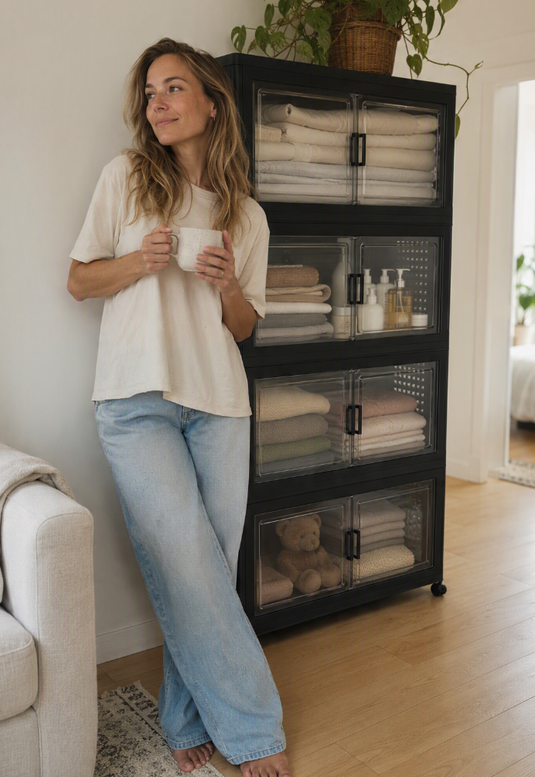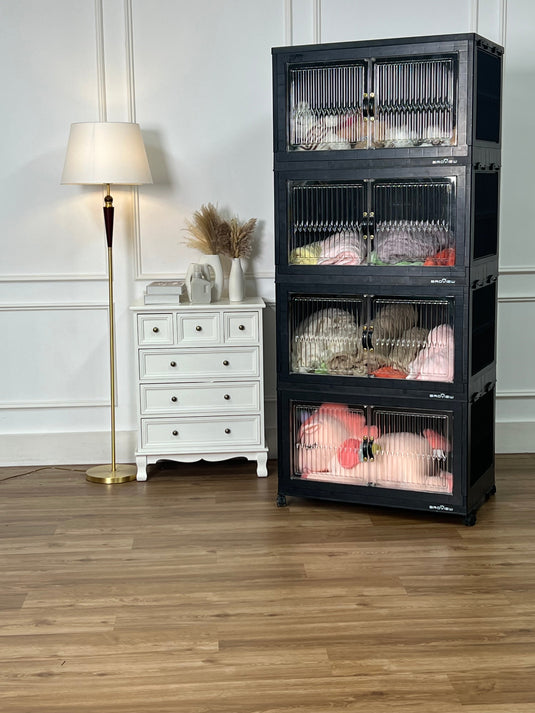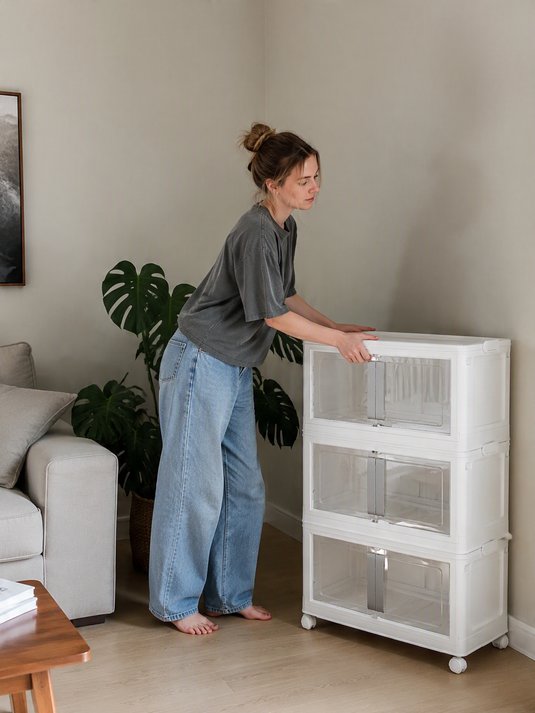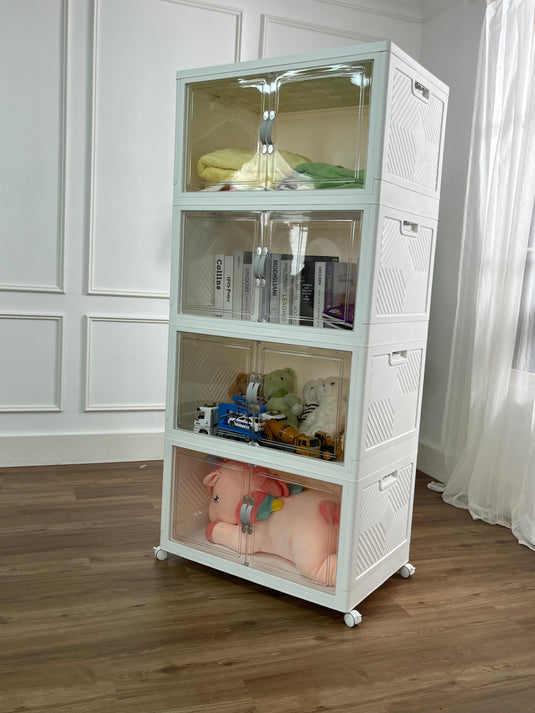

Whether you are downsizing, preserving cherished family heirlooms, or simply rotating your seasonal wardrobe, selecting the right storage containers is a critical decision. You might think a box is just a box, but when items are packed away for months or even years, the material of your container can mean the difference between pristine preservation and absolute ruin. We’ve all experienced the heartbreak of pulling a beloved sweater out of storage only to find it riddled with moth holes, or discovering that important family documents have grown a fuzzy layer of mold.
When it comes to safeguarding your belongings, you are inevitably faced with a central question: Plastic vs. Fabric: Which Storage Bins Are Best for Long-Term Storage?
The answer is rarely a simple one-size-fits-all. It depends on what you are storing, where you are storing it, and the environmental conditions of that space. In this comprehensive guide, we will conduct an in-depth storage bins comparison, exploring the science of material preservation, the pros and cons of both plastic and fabric, and exactly how to choose the right storage solutions for every room in your home.
The Science of Long-Term Storage
Before diving into the great debate of plastic versus fabric, it is essential to understand the invisible enemies of stored belongings. When items are tucked away for long periods, they are subjected to environmental fluctuations that can cause irreversible damage.
The three primary threats to long-term storage are:
-
Moisture and Humidity: Excess moisture promotes mold, mildew, and structural breakdown.
-
Temperature Fluctuations: Extreme heat and freezing temperatures can cause materials to warp, crack, or melt.
-
Pests: Insects and rodents are always looking for dark, undisturbed places to nest and feed.
Understanding the impact of moisture on different storage materials is the first step in proper preservation. Materials react to their environment. A container that works perfectly in a temperature-controlled bedroom closet might be a recipe for disaster in a damp cellar. Therefore, choosing between these materials requires a strategic understanding of your home's unique microclimates.
Deep Dive: Plastic Storage Bins
For decades, plastic storage bins have been the go-to choice for homeowners seeking durable, stackable, and accessible organization. Let's look at why they are so popular, and where they fall short.
The Advantages of Plastic Containers
1. Unbeatable Moisture and Water Resistance When you are dealing with environments prone to dampness or potential leaks, plastic is unparalleled. High-quality plastic bins provide an impenetrable barrier against standing water, making them essential for basement or garage storage. If a pipe bursts or a heavy rain floods your lower level, plastic bins can keep your belongings completely dry.
2. Pest Protection Rodents, moths, and beetles are notorious for destroying stored goods. Thick plastic presents a formidable physical barrier against these intruders. Unlike cardboard or thin canvas, a sturdy plastic tote with a locking lid cannot be easily chewed through by a determined mouse.
3. Structural Integrity and Stackability If you need to maximize vertical space, you will likely be weighing the benefits of heavy-duty polypropylene bins vs linen boxes. Polypropylene, a rigid and highly durable plastic, can support significant weight. This allows you to stack multiple bins on top of each other without crushing the contents of the bottom box, which is impossible to do safely with soft fabric containers.
4. Visibility One of the greatest conveniences of plastic is the availability of clear storage containers for content visibility. When you are looking for a specific holiday decoration or a particular pair of winter boots, being able to see inside the box without unstacking and opening it saves an immense amount of time and frustration.
5. Airtight Capabilities Certain high-end plastic bins come with silicone gaskets that create an airtight seal for sensitive document protection. If you are storing tax returns, property deeds, or vintage photographs, an airtight plastic container prevents humidity and oxygen from degrading the paper over time.
The Disadvantages of Plastic Containers
1. Lack of Breathability The same feature that makes plastic waterproof also makes it a trap for internal moisture. If you place an item that is even slightly damp into a sealed plastic bin, that moisture has nowhere to go. This creates a micro-greenhouse effect, leading to rapid mold and mildew growth.
2. Chemical Off-Gassing This is a lesser-known but highly critical factor for heirloom preservation. Many cheaper plastics emit Volatile Organic Compounds (VOCs) over time. You must carefully consider plastic off-gassing effects on delicate fabrics. These chemical vapors can become trapped inside the bin, leading to the discoloration and chemical breakdown of natural fibers like silk, vintage cotton, and wool.
3. Vulnerability to Extreme Heat and Cold While plastic is tough, it is not invincible. In freezing temperatures, certain plastics become brittle and can shatter if dropped. In extreme heat, thin plastics can warp or bow under the weight of stacked bins.
Deep Dive: Fabric Storage Bins
Fabric bins, ranging from structured canvas boxes to soft, breathable linen bags, offer a completely different set of benefits and drawbacks. While they may not offer the heavy-duty protection of plastic, they excel in areas where plastic fails.
The Advantages of Fabric Containers
1. Superior Breathability The absolute greatest advantage of fabric is air circulation. People often ask: are fabric bins better for natural fiber longevity? The answer is a resounding yes—provided they are kept in a clean, climate-controlled environment. Natural fibers like wool, cashmere, silk, and cotton need to "breathe" to maintain their structural integrity. Fabric bins allow trapped moisture to evaporate naturally, preventing the musty odors that often plague long-term clothing storage.
2. Gentle on Delicate Items Soft-sided fabric bins lack the sharp corners and abrasive surfaces of some plastic containers. This makes them ideal for storing delicate items that could catch or snag, such as lace, beaded garments, or fine linens.
3. Flexibility and Space Efficiency When not in use, fabric bins and bags can be folded completely flat and tucked away, taking up virtually no space. Furthermore, soft fabric bags can be squeezed into tight spaces—like under a bed or on a crowded top shelf—where a rigid plastic box simply wouldn't fit.
4. Aesthetic Appeal Let's face it: plastic bins rarely look chic. If your storage is visible—such as on open shelving in a bedroom, office, or living room—fabric bins offer a much warmer, more integrated aesthetic. They come in endless colors, patterns, and textures to match your home decor.
The Disadvantages of Fabric Containers
1. Poor Protection Against the Elements Fabric offers zero protection against water. If a fabric bin is sitting on a basement floor during a flood, the water will immediately soak through, ruining the contents. Additionally, fabric absorbs ambient humidity, making it a poor choice for damp environments.
2. Vulnerability to Pests If you are worried about insects, you must ask yourself: do cardboard or fabric bins attract silverfish? Silverfish are drawn to the starches and glues found in cardboard, but they are also known to eat natural fibers like cotton and linen. Furthermore, a moth can easily chew through a canvas bag to get to a wool sweater inside, and mice can shred fabric bins to use the material for nesting.
3. Lack of Structural Support Fabric bins cannot hold heavy items without losing their shape, and they cannot be stacked efficiently. Attempting to stack fabric bins usually results in a collapsing tower and crushed belongings.
Environmental Storage Strategies: Matching the Bin to the Room
The great debate of stackable plastic totes vs breathable fabric bags cannot be settled without looking at the environment where the bins will live. The location of your storage dictates the required material just as much as the items you are storing.
Basement Storage
Basements are notoriously problematic for long-term storage. They are prone to high humidity, poor air circulation, and the constant threat of water leaks or flooding.
-
The Verdict: Plastic is mandatory here.
-
Strategy: Preventing mildew in basement storage containers is your top priority. Use heavy-duty, waterproof plastic totes. Ensure the lids latch securely. Even with plastic, never store bins directly on the concrete floor; elevate them on pallets or sturdy metal shelving to protect against minor flooding and allow air to circulate beneath them. To combat internal humidity, throw a few silica gel packets into each bin before sealing.
Attic Storage
Attics present a wildly different challenge. They are usually dry, but they suffer from extreme temperature fluctuations. An attic might reach 120°F (49°C) in the summer and drop below freezing in the winter.
-
The Verdict: High-quality plastic for hard goods; archival boxes for textiles.
-
Strategy: Storing clothes in non-climate controlled attics is generally ill-advised due to the heat, which bakes the fibers and sets stains permanently. However, if you must use the attic, avoid cheap plastic bins that will warp in the heat or crack in the cold. Use opaque, heavy-duty plastic for holiday decorations and robust household items. If you must store textiles here, use 100% cotton canvas bags, as plastic will trap heat and "bake" the fabrics.
Garage Storage
Garages share many characteristics with basements and attics: temperature swings, potential moisture from wet cars, and high pest traffic.
-
The Verdict: Heavy-duty plastic.
-
Strategy: Garages require the toughest storage available. Opt for heavy-duty polypropylene totes with reinforced corners and secure locking clasps. Fabric is entirely inappropriate for garage storage as it will quickly absorb exhaust fumes, dampness, and become a haven for spiders and rodents.
Climate-Controlled Closets and Under-Bed Storage
Inside the living areas of your home, temperature and humidity remain relatively stable, and the risk of water damage or severe pest infestations is significantly lower.
-
The Verdict: Fabric is highly recommended, though plastic works too.
-
Strategy: This is where fabric shines. Use breathable linen or cotton canvas boxes for out-of-season clothing, extra bedding, and shoes. The stable indoor environment negates the need for heavy weatherproofing, allowing you to prioritize breathability and aesthetics.
Item-Specific Storage Recommendations
Now that we understand the materials and the environments, let’s apply this knowledge to specific categories of household items.
1. Clothing and Wardrobe Storage
Rotating your closet twice a year is a great way to save space, but it requires careful execution. Excellent seasonal wardrobe organization tips always begin with this rule: never store dirty clothes. Even invisible body oils or tiny specs of food can attract pests and cause severe yellowing over time.
-
For Everyday Cotton, Denim, and Synthetics: If storing under a bed or in a closet, breathable fabric bins are fantastic. If storing in a basement, you must use plastic. To ensure clothes don't smell stale in plastic, line the plastic bin with acid-free tissue paper and include a desiccant.
-
For Wool and Cashmere: These natural fibers are moth magnets. Pest-proof storage for wool blankets and sweaters is non-negotiable. Wash or dry-clean them first. Then, place them in a breathable cotton storage bag (to allow airflow) and place that bag inside a plastic tote with a tight-fitting lid. Add cedar blocks or lavender sachets—not only do they smell great, but they also act as a natural pest deterrent.
-
For Vintage and Heirloom Textiles: Antique lace, wedding dresses, and vintage quilts require extreme care. The goal here is protecting vintage textiles from yellowing, which is primarily caused by chemical off-gassing, light exposure, and acid transfer. Never use standard plastic bins for these items. Instead, invest in archival quality containers for heirloom storage. These are typically made from acid-free, lignin-free corrugated board or specially formulated inert plastics (like Coroplast). Always fold these items with acid-free tissue paper buffering every fold to prevent permanent creasing.
2. Documents, Photos, and Books
Paper is highly susceptible to moisture, pests, and light.
-
The Verdict: Airtight plastic or archival paper boxes.
-
Strategy: Standard cardboard boxes are highly acidic and will cause paper to turn brown and brittle over time. For general paperwork, use an airtight seal for sensitive document protection. A plastic bin with a silicone gasket ensures that no ambient humidity can warp the paper. For irreplaceable family photos or historical documents, use archival-quality photo boxes housed inside a climate-controlled room.
3. Electronics and Hard Goods
Old gaming consoles, kitchen appliances, and holiday decorations don't need to breathe, but they do need protection from dust and moisture.
-
The Verdict: Plastic.
-
Strategy: Clear plastic bins are ideal here. You can easily identify cables, controllers, or specific holiday ornaments without rummaging. Ensure electronics are stored in a dry environment, as even minor humidity trapped in a plastic bin can corrode internal circuit boards.
How to Choose Humidity-Resistant Storage Solutions
Humidity is arguably the most destructive force in long-term storage. If you live in a coastal area, the Deep South, or any region with high ambient moisture, learning how to choose humidity-resistant storage solutions is a vital skill.
-
Look for Gasket Seals: When buying plastic bins, don't just look for a lid that snaps on. Look for a thick, rubber or silicone gasket running along the inside rim of the lid. When clamped down, this creates a vacuum-like barrier against ambient humidity.
-
Incorporate Desiccants: No matter how good your bin is, it will trap the air that was in the room when you closed it. If you pack a bin on a humid August afternoon, that humid air is trapped inside. Always place silica gel packets, activated charcoal pouches, or even a small cloth bag of unscented kitty litter inside the bin to absorb ambient moisture.
-
Avoid Standard Cardboard: Cardboard acts like a sponge for humidity. In a damp environment, a cardboard box will become soft, lose its structural integrity, and eventually grow mold, passing that mold directly onto your belongings.
Actionable Steps for Long-Term Storage Preparation
Choosing the right bin is only half the battle. How you prepare your items before they go into the bin determines how they will look when they come out. Follow this expert checklist to ensure maximum protection:
-
Clean Everything Thoroughly: We cannot overstate this. Wash clothes, dust hard goods, and polish leather. Pests are attracted to food residue and body oils, not the fabric itself.
-
Dry Completely: Never put an item that is even slightly damp into long-term storage, especially into a plastic bin. If you just washed a heavy winter coat, let it air dry in a sunny room for an extra 48 hours after you think it is dry, just to be sure the internal padding is entirely devoid of moisture.
-
Use the Right Wrapping: Avoid wrapping delicate items in regular newspaper, as the ink can transfer and the paper is highly acidic. Do not use standard dry-cleaning plastic bags, as they trap moisture and off-gas harmful chemicals. Stick to unbleached cotton muslin, acid-free tissue paper, or pure Tyvek.
-
Don't Overstuff: Cramming too many items into a storage bin restricts whatever little airflow exists and causes permanent, deep-set wrinkles in textiles. It can also cause the lids of plastic bins to bulge, compromising the locking mechanism and breaking the protective seal.
-
Label Intelligently: Even if you are using clear storage containers, a detailed label saves time. Don't just write "Winter Clothes." Write "Winter Clothes: Sarah's Sweaters, Blue Puffer Coat, Ski Gloves." Use a label maker or a piece of heavy tape that won't peel off in varying temperatures.
-
Schedule Check-Ins: Long-term storage shouldn't mean "pack it and forget it forever." Make a habit of checking on your long-term storage bins once a year. Open the lids, check for any musty smells, inspect for signs of pests, and replace any silica gel packets or cedar blocks that have lost their efficacy.
Summary: Plastic vs. Fabric
To summarize the great storage debate:
Choose Plastic When:
-
Storing items in a basement, garage, or unfinished attic.
-
You need protection against water, high humidity, or rodents.
-
You are storing hard goods, holiday decor, or electronics.
-
You need to stack heavy boxes high to save floor space.
-
You want clear visibility of the contents.
Choose Fabric When:
-
Storing items inside a climate-controlled living space (closets, under beds).
-
Preserving natural fibers (wool, silk, cotton) that require air circulation.
-
Aesthetics matter and the storage solutions will be visible in your room.
-
You need flexible storage that can fold away when not in use.
-
You are storing highly delicate items that could be snagged by rough plastic edges.
Conclusion
When asking the question, "Plastic vs. Fabric: Which Storage Bins Are Best for Long-Term Storage?", the most honest answer is that you will likely need a strategic combination of both.
By understanding the unique vulnerabilities of your belongings and the specific microclimates of your home, you can create a tailored storage strategy. Use robust, airtight plastic to conquer the harsh environments of basements and garages, and rely on breathable, elegant fabric solutions for your closets and bedroom spaces.
Take the time to clean, prep, and carefully pack your items, utilizing protective measures like acid-free tissue and desiccants. With the right knowledge and the right materials, you can pack away your favorite seasonal garments, vital documents, and cherished family heirlooms with absolute confidence, knowing they will emerge from storage years later in the exact pristine condition in which you left them.