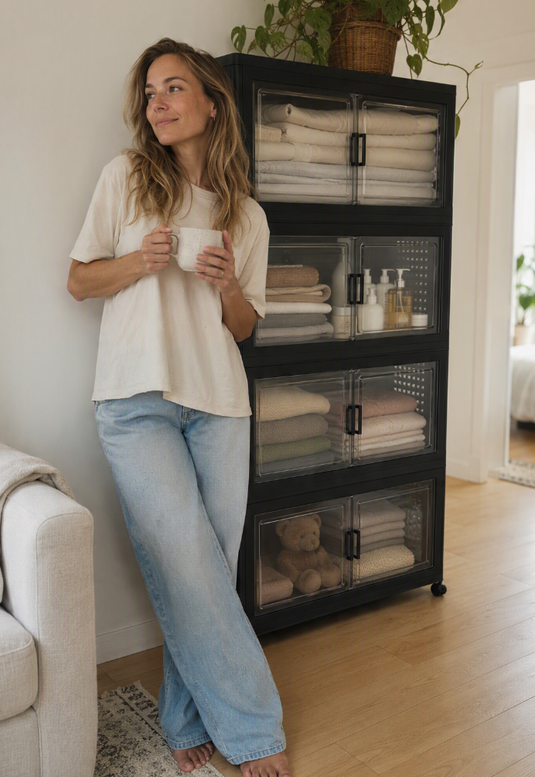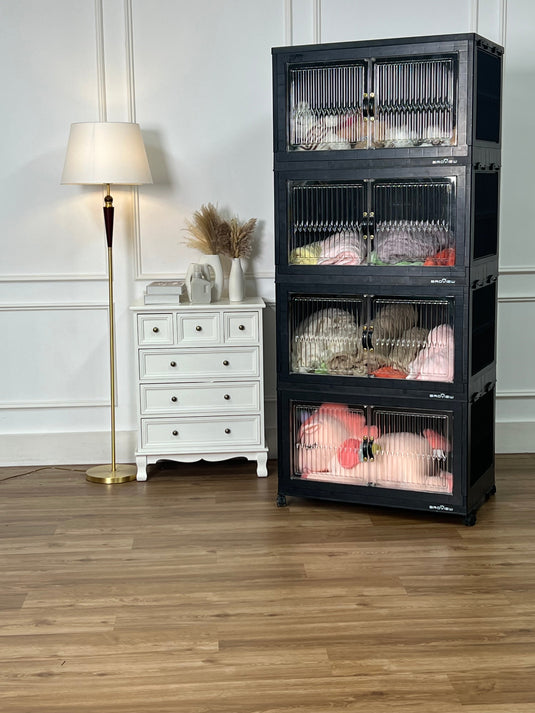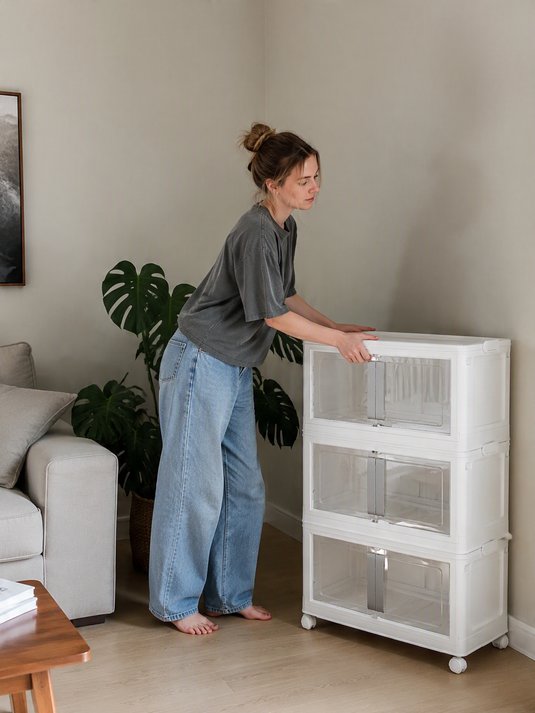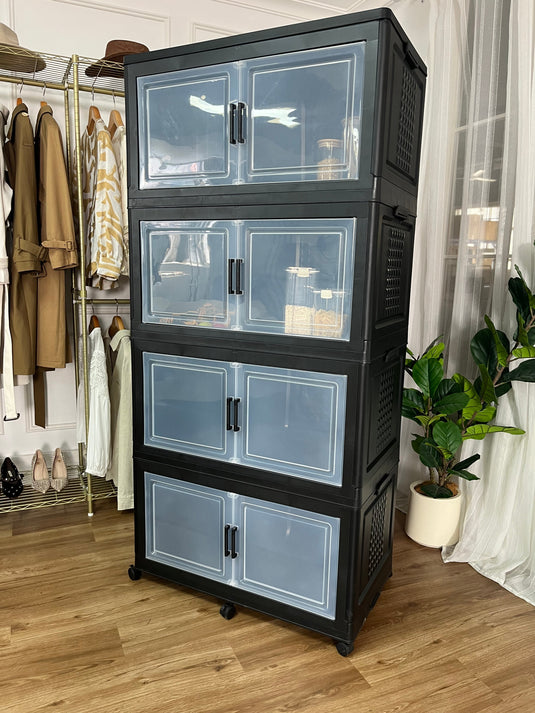

We’ve all been there: you finally have twenty minutes to create, yet fifteen are spent digging for scissors. According to productivity studies, this hidden "cleanup tax" sabotages your workflow—the actual path taken to finish a project. Fixed shelving forces you to the tools, while portable storage brings those supplies directly to you. To maximize your workspace, decluttering busy classrooms requires mobility, providing unparalleled classroom organization ideas for small spaces.
Room Tetris: How Mobile Storage Reclaims Shared Spaces for Art and Learning
Shoving dining chairs aside for a painting project, only to pack it up for dinner, is a familiar game of "Room Tetris." By embracing flexible workspace design using mobile furniture, that daily struggle disappears. Rather than letting clutter dictate your home, mobile storage solutions for art studios let you instantly transform any room into a true flex-space. Swapping bulky shelves for tall, wheeled carts captures vertical space, helping you reclaim 20 to 30 percent of your floor area without drilling a single hole.
Think of your layout like a kitchen, where coffee beans live right next to the coffee maker. This is zone-based organizing, meaning your supplies travel together based on the task at hand rather than being scattered across different drawers. When figuring out how to organize a shared creative workspace, rolling a dedicated cart right to the table removes the friction of repeatedly fetching items. Space-saving storage for art materials fundamentally redefines how a room functions.
Choosing Your Gear: When to Use Rolling Carts vs. Desktop Caddies
Reaching across a wide table for supplies instantly disrupts your creative flow. Proper ergonomics of mobile workstation organization dictate keeping frequently used tools within a comfortable arm's reach. When debating rolling storage carts vs stationary shelving or small desktop containers, prioritize visual accessibility—meaning you can see everything without digging. A tabletop caddy excels for lightweight, seated tasks involving markers or scissors. Conversely, a tiered cart adjusted to your elbow height prevents hunching during active, standing projects.
Heavier supplies demand a tougher strategy. You must evaluate durable modular storage for heavy tools to ensure frames won't buckle under paper reams or gallon paints. Use this guide to selecting the right art supply caddy or cart:
-
Weight Capacity: Restrict handled caddies to light items under five pounds; rely on metal carts for heavy loads.
-
Portability Frequency: Choose caddies for quick desk-to-desk hops, but use wheeled carts for crossing the room.
-
Floor Suitability: Ensure cart wheels are large enough to glide over thick classroom rugs.
Your 3-Step Action Plan: Transitioning to a Frictionless Workspace
Reduce stress and save time when setting up a functional maker space station. You can achieve a flawless three-minute transition by following these steps:
-
Inventory: Simplify inventory management for classroom supplies to eliminate drawer bloat.
-
Task-Grouping: Group supplies by task rather than type.
-
Selection: Choose multi-purpose rolling carts for teachers or smaller portable organizer alternatives.
Once your workspace moves with you, you’ll stop searching and start creating!