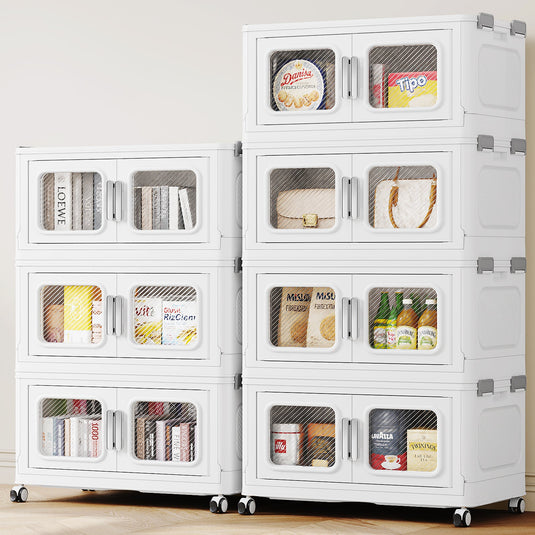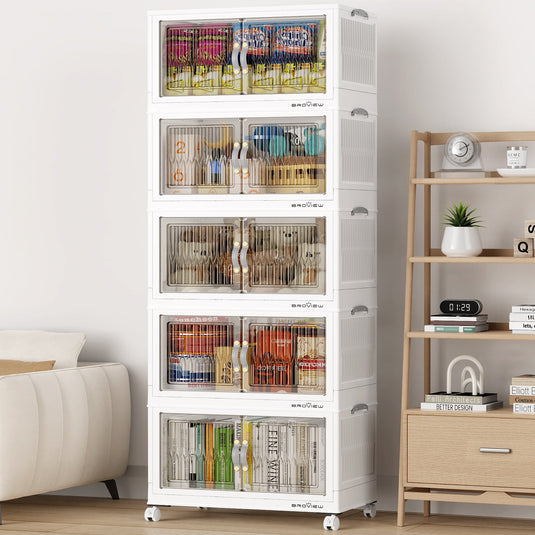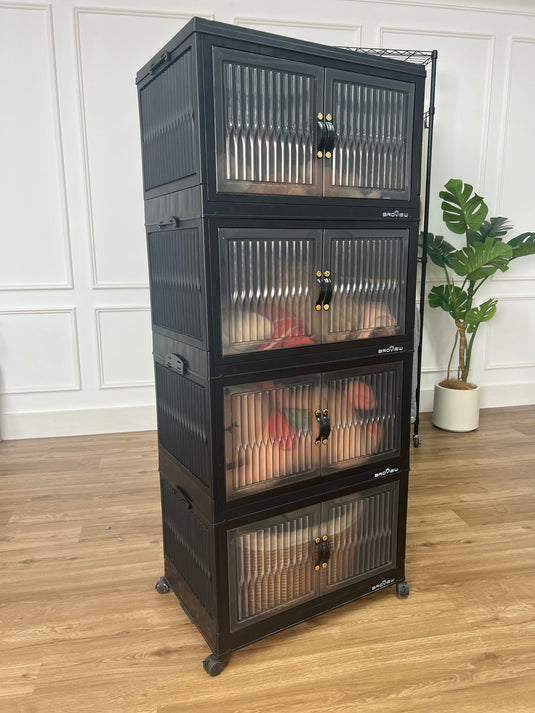
Storing clothes by season keeps your closet easier to use, protects garments from dust and moisture, and helps you make better use of limited space. The key is not simply packing everything into the nearest bin. Good seasonal clothes storage starts with cleaning, sorting, choosing the right wardrobe storage box, and placing each item where it will stay dry, fresh, and easy to find.
Use this step-by-step guide to rotate your wardrobe smoothly, whether you are putting away summer dresses, storing winter clothes, organizing kids’ clothing, or creating better clothes storage solutions for a small home.
Start With a Full Wardrobe Reset
Before you reach for storage boxes, take everything out of the section of your wardrobe you plan to rotate. This gives you a clear view of what you own and prevents you from storing items you no longer wear.
Sort your clothes into four groups:
-
Keep for next season: Clothes that fit, suit your style, and are in good condition.
-
Repair or clean: Items with loose buttons, minor stains, missing zippers, or small tears.
-
Donate or sell: Pieces you did not wear this season, duplicates, or clothes that no longer fit.
-
Discard or recycle: Clothing that is too worn, stretched, stained, or damaged to be useful.
Be honest during this step. Storage space is valuable. If you pack away clothes you already know you will not wear, you are only creating more work for yourself later.
Clean Everything Before Packing
Never store seasonal clothes when they are dirty, damp, or scented with perfume, deodorant, body oils, or food residue. Even small traces of soil can attract pests or become harder to remove after months in storage.
Before packing:
-
Wash or dry-clean garments according to the care label.
-
Make sure every item is fully dry.
-
Air out shoes, coats, knits, and accessories.
-
Remove items from pockets.
-
Brush lint, pet hair, and dust from fabric surfaces.
When storing winter clothes such as wool coats, sweaters, scarves, and thermal layers, cleaning is especially important. Natural fibers can attract moths if they are stored with body oils or food particles on them.
Avoid using heavy fragrances, strong fabric sprays, or scented drawer liners. They may smell pleasant at first, but they can leave residue or become overpowering in a sealed box. A clean, dry garment is always the best starting point.

Choose the Right Wardrobe Storage Box
The best storage box depends on the type of clothing, where the box will live, and how often you need access to it. Not every container is suitable for every garment.
Plastic Storage Boxes
Clear plastic boxes are one of the most practical clothes storage solutions for seasonal items. They are sturdy, stackable, easy to wipe clean, and usually protect well against dust and light moisture.
Choose plastic boxes when storing:
-
Cotton tops and T-shirts
-
Jeans and casual pants
-
Activewear
-
Kids’ clothes
-
Seasonal accessories
-
Clothes stored in closets, under beds, or on shelves
Look for boxes with secure lids, smooth interiors, and enough structure to avoid crushing the garments inside. Clear boxes make it easier to see what is inside, while opaque boxes can help reduce light exposure.
Fabric Storage Boxes
Fabric wardrobe boxes and soft-sided storage cubes are useful for closets, bedroom shelves, and areas where airflow matters. They are often lightweight and attractive, making them a good option for visible storage.
Use fabric boxes for:
-
Scarves and hats
-
Lightweight sweaters
-
Seasonal loungewear
-
Accessories
-
Items stored in a dry indoor closet
Avoid placing fabric boxes in damp basements, garages, or attics unless they are specifically designed for those conditions.
Under-Bed Storage Boxes
Under-bed boxes are ideal when closet space is limited. They work well for flat-folded clothing, shoes, linens, and out-of-season basics.
For best results:
-
Choose boxes with lids to reduce dust.
-
Use shallow containers that slide easily.
-
Avoid overfilling, which can make boxes difficult to move.
-
Label the visible side so you do not need to pull out every box.
Under-bed seasonal clothes storage is especially helpful in apartments, dorm rooms, and smaller bedrooms.
Vacuum Storage Bags
Vacuum bags can save space, but they are not the best choice for every fabric. They compress clothing tightly, which may cause deep creases or flatten natural fibers over time.
They can work for:
-
Bulky synthetic jackets
-
Spare bedding
-
Ski pants
-
Puffy coats for short-term storage
-
Clothing you do not need to access often
Avoid using vacuum bags for delicate fabrics, structured coats, leather, suede, silk, heavily embellished clothing, or wool sweaters you want to preserve in their natural shape.
Match the Box to the Clothing Type
Once you know your storage options, match each clothing category to the right container. This prevents damage and makes unpacking much easier later.
Use structured boxes for folded everyday clothing. Use breathable garment bags for hanging pieces. Use divided organizers for accessories. Use smaller boxes for heavier items so they are easier to lift.
A good rule is to store similar items together:
-
One box for summer tops
-
One box for shorts and lightweight bottoms
-
One box for sweaters
-
One box for scarves, gloves, and hats
-
One box for swimwear or vacation clothes
-
One box for children’s next-size clothing
This method is simple, but it works. When the season changes, you can pull out only the boxes you need instead of unpacking everything at once.
Fold Clothes the Right Way
Good folding protects garments and helps you fit more into each box without cramming. Avoid tossing clothes in randomly. Wrinkles, stretched fabrics, and lost items often come from rushed packing.
For most clothing:
-
Lay the garment flat.
-
Smooth out wrinkles with your hands.
-
Fold along natural seams.
-
Use a consistent folding size.
-
Place heavier items at the bottom of the box.
-
Place lighter or more delicate items on top.
For T-shirts, leggings, and casual basics, try vertical folding. This lets you see each item from above when you open the box.
For sweaters, fold rather than hang. Hanging sweaters for months can stretch the shoulders and distort the shape. Place tissue paper between delicate knits if you want extra protection.
Hang Only What Needs to Hang
Some items should not be folded for long periods. Structured garments often keep their shape better when stored hanging.
Consider hanging:
-
Wool coats
-
Blazers
-
Suits
-
Formal dresses
-
Pleated skirts
-
Special occasion clothing
Use sturdy hangers that support the shoulders. For longer storage, cover garments with breathable cotton or fabric garment bags. Avoid thin dry-cleaning plastic, which can trap moisture and cause yellowing or odor over time.
If you do not have hanging space, choose a wardrobe storage box large enough to fold structured items gently with minimal pressure. Do not crush formalwear beneath heavy sweaters or coats.
Add Simple Protection Against Moisture and Odor
Moisture is one of the biggest threats to stored clothing. Even a small amount can lead to musty smells, mildew, or fabric damage.
To protect your clothes:
-
Store only fully dry garments.
-
Keep boxes off damp floors.
-
Avoid humid garages, sheds, and basements when possible.
-
Use moisture absorbers in storage areas if needed.
-
Leave a little breathing room in each box.
For freshness, use natural options such as cedar blocks or lavender sachets. Cedar can help deter pests, but it should not touch delicate fabric directly. Place it in a small pouch or corner of the storage box.
Refresh cedar periodically by lightly sanding the surface according to the product’s instructions. Replace sachets when they lose their scent.
Protect Clothes From Pests
Seasonal storage can attract moths, carpet beetles, and other pests if clothing is stored improperly. Prevention is easier than dealing with damage later.
Follow these pest-prevention steps:
-
Clean clothes before storing.
-
Vacuum closet floors, baseboards, and shelves.
-
Use boxes with secure lids.
-
Avoid storing clothing in cardboard for long periods.
-
Add cedar or other natural deterrents if appropriate.
-
Check stored boxes every few months.
Cardboard boxes may be convenient, but they are not ideal for long-term clothing storage. They can absorb moisture, weaken over time, and attract insects. If you must use cardboard temporarily, keep it in a clean, dry, indoor area and avoid placing it directly on the floor.
Label Every Box Clearly
Labels turn a pile of containers into an organized wardrobe system. Without them, you will eventually open multiple boxes just to find one sweater or swimsuit.
Your labels do not need to be complicated. Include:
-
The season
-
The clothing category
-
The size, if storing children’s clothes
-
The owner’s name, if storing clothing for multiple people
-
A short list of key items, if helpful
Examples include:
-
“Winter sweaters and scarves”
-
“Summer dresses and skirts”
-
“Kids’ size 6 cold-weather clothing”
-
“Beachwear and swim accessories”
Place labels where you can see them while the boxes are stacked or stored. If using clear bins, you may still want labels so you can identify the contents quickly.
Store Boxes in the Best Location
Where you store your boxes matters as much as what you store them in. The ideal location is cool, dry, clean, and away from direct sunlight.
Good storage spots include:
-
Bedroom closets
-
Top wardrobe shelves
-
Under-bed areas
-
Linen closets
-
Interior storage cupboards
-
Climate-controlled storage rooms
Use caution with:
-
Attics that get very hot
-
Basements with humidity
-
Garages with temperature swings
-
Outdoor sheds
-
Laundry rooms with moisture
If you have no choice but to use a less-than-ideal space, choose sealed plastic boxes, elevate them from the floor, and check them regularly.
Do Not Overpack the Box
It is tempting to fit as much as possible into one container, especially when space is limited. However, overpacking can crush garments, make boxes hard to lift, and create deep wrinkles.
Leave a small amount of space at the top of each box. The lid should close easily without forcing it down. If you have to sit on the box to close it, the box is too full.
For heavy clothing like jeans, coats, and thick sweaters, use smaller boxes. This makes them easier to move and reduces pressure on the garments at the bottom.
Create a Seasonal Rotation System
The best seasonal clothes storage system is one you can repeat easily every year. Instead of treating clothing storage as a major project each time, build a simple routine.
At the end of each season:
-
Pull out items you did not wear.
-
Decide what to keep, repair, donate, or discard.
-
Wash and dry everything you plan to store.
-
Pack items by category.
-
Label each box.
-
Move the next season’s clothing into your main wardrobe.
At the start of each season:
-
Open the relevant boxes.
-
Air out garments if needed.
-
Steam or iron wrinkled items.
-
Check for damage.
-
Place current-season clothes where they are easy to reach.
-
Repack off-season items using the same system.
This rhythm keeps your wardrobe manageable and prevents clutter from building up year after year.
Special Tips for Storing Winter Clothes
Storing winter clothes takes extra care because cold-weather garments are often bulky, heavy, and made from natural fibers.
For sweaters, fold them neatly and store them in breathable or sealed containers depending on your storage location. Keep wool and cashmere clean, dry, and protected from pests.
For coats, hang structured wool coats in breathable garment bags if you have space. Fold puffer jackets loosely in a large box, or use a vacuum bag only if the care label allows compression.
For boots, clean off dirt and let them dry fully. Use boot shapers, rolled paper, or soft inserts to help them keep their shape. Store them upright when possible.
For gloves, hats, and scarves, group them in small fabric bags or compartments so they do not disappear into larger boxes.
Make Small Spaces Work Harder
If you have limited storage, focus on vertical space and multi-use clothes storage solutions.
Try these ideas:
-
Use stackable boxes on high closet shelves.
-
Choose under-bed containers for off-season basics.
-
Add shelf dividers to prevent piles from toppling.
-
Use slim garment bags for formalwear.
-
Store accessories in smaller labeled bins.
-
Keep only current-season clothing in your main closet.
You can also reduce storage needs by building a more versatile wardrobe. Clothes that layer well across seasons may not need to be packed away at all.
Common Seasonal Storage Mistakes to Avoid
A few small mistakes can undo your hard work. Avoid these common problems:
-
Packing clothes before washing them
-
Storing damp garments
-
Using cardboard boxes for long-term storage
-
Overfilling containers
-
Leaving boxes unlabeled
-
Hanging heavy sweaters
-
Storing clothes in direct sunlight
-
Forgetting to check boxes for months or years
-
Mixing shoes with delicate fabrics
-
Keeping clothes you already know you will not wear
If you avoid these mistakes, your clothing will be easier to find, fresher to wear, and better protected between seasons.
Final Checklist Before You Put Boxes Away
Before your seasonal wardrobe goes into storage, do one final check:
-
Every item is clean and fully dry.
-
Delicate garments are folded or hung properly.
-
Heavy items are packed at the bottom.
-
Boxes are not overfilled.
-
Labels are visible.
-
Moisture and pest protection are in place.
-
Storage boxes are going into a dry, clean location.
A little extra care now saves time, money, and frustration later. With the right wardrobe storage boxes and a simple rotation routine, seasonal clothes storage becomes less of a chore and more of a practical way to keep your home organized year-round.