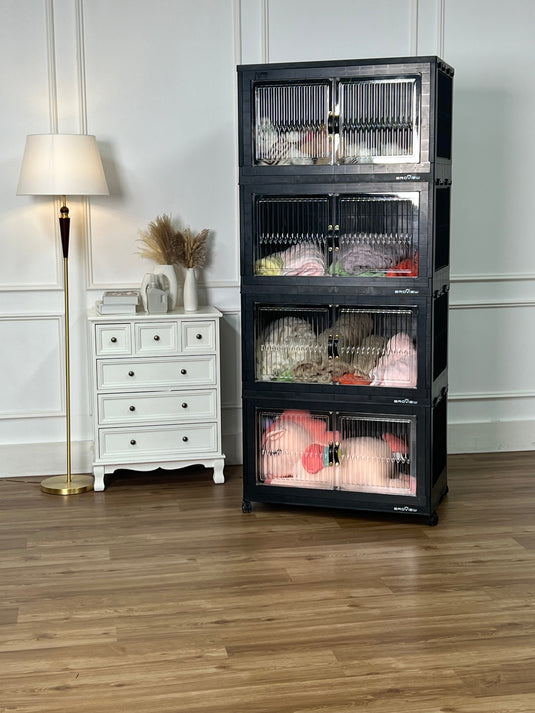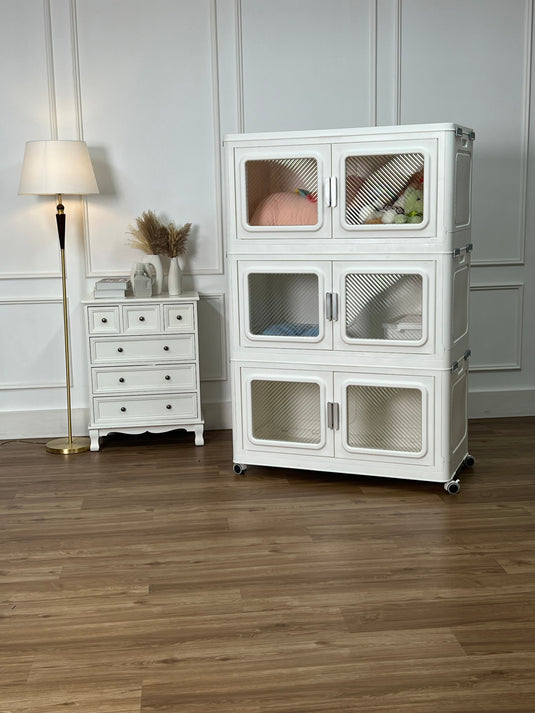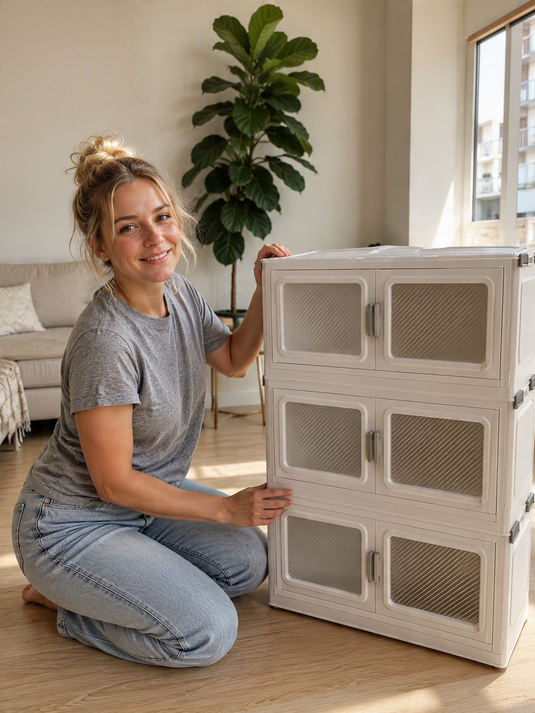
A tidy bedroom often starts with a smarter closet. These 10 smart closet organizer ideas will help you create more usable space, reduce daily clutter, and make getting dressed feel easier instead of chaotic. Whether you have a walk-in closet, a reach-in closet, or a small wardrobe, the right mix of closet storage solutions can turn wasted corners, shelves, and hanging space into a system that actually works.
What makes a closet feel cluttered in the first place?
A closet usually feels cluttered when it has too many items without clear zones, not simply because it is small. Shoes pile up because they do not have a dedicated place, folded clothes collapse because shelves are too deep, and accessories disappear because they are stored wherever there is room. Good closet design ideas solve these problems by giving every category a practical home and making the items you use most often easy to reach.
Before you buy bins, shelves, or hangers, take a quick look at how your closet is failing you now. Are you running out of hanging space, struggling with bulky sweaters, or losing track of seasonal clothes? The best organizer system is the one that responds to your real habits, not one that looks perfect for a day and becomes hard to maintain.
Start with a quick closet reset
A closet organizer works best when you are not trying to organize things you no longer wear, need, or like. Begin by removing everything from one section at a time so the project feels manageable. As you sort, group items by type: tops, pants, dresses, shoes, bags, accessories, workout clothes, and seasonal pieces.
Use this simple reset checklist before adding new storage:
-
Keep items that fit, feel good, and match your current lifestyle.
-
Donate or sell pieces that are in good condition but rarely worn.
-
Recycle or discard worn-out items that are beyond repair.
-
Move off-season clothing to higher shelves, under-bed storage, or labeled bins.
-
Set aside anything that needs tailoring, cleaning, or repair, then give yourself a deadline.
This step may not feel glamorous, but it is what makes every organizer idea more effective. When your closet holds fewer unnecessary items, shelves stay neater, hangers slide more easily, and your daily routine becomes faster.

1. Double your hanging space with a second rod
One of the easiest closet organizer ideas is adding a second hanging rod below your existing one. Many closets have a single rod with unused vertical space underneath shirts, jackets, or folded pants. A lower rod can instantly create another level for shorter garments such as blouses, button-downs, skirts, or kids’ clothing.
This works especially well in reach-in closets where square footage is limited but height is available. Keep longer pieces, like dresses and coats, in one dedicated section so they do not block the lower rod. The goal is not to cram in more clothes, but to make the same footprint function harder.
For renters or anyone avoiding permanent changes, an adjustable hanging rod can be a practical option. It gives you flexibility without requiring a full closet renovation, making it one of the simplest closet storage solutions for fast improvement.
2. Use matching slim hangers to create visual calm
Hangers may seem like a small detail, but mismatched bulky hangers can make a closet look messy even when it is technically organized. Slim hangers create a cleaner line and often allow more pieces to fit comfortably on the rod. They also help clothes face the same direction, which makes your closet easier to scan.
Choose one hanger style for most clothing categories and reserve specialty hangers for items that need them. For example, pants, scarves, or delicate garments may benefit from specific designs. The key is consistency where it matters most.
This idea is particularly useful if your bedroom feels visually busy. When the closet door is open, a uniform hanger setup makes the entire space look more intentional and less crowded.
3. Divide shelves so stacks do not collapse
Open shelves are helpful, but they can become frustrating when piles of sweaters, jeans, or T-shirts topple into each other. Shelf dividers create boundaries between stacks and make folded clothing easier to maintain. They are especially useful on wide shelves where categories blend together.
Think of dividers as gentle guardrails. One section might hold denim, another might hold knitwear, and another might hold handbags. When each stack has a limit, it is easier to put laundry away without disrupting the entire shelf.
For deep shelves, consider using bins or baskets instead of stacking items all the way to the back. Deep piles tend to hide what you own, while pull-out containers bring everything forward in one motion.
4. Add drawer organizers for small items
Small items are some of the biggest clutter creators because they shift, tangle, and disappear. Drawer organizers are ideal for socks, underwear, belts, ties, workout accessories, and folded basics. They turn one large drawer or shelf bin into smaller compartments, so every item has a predictable place.
If your closet does not have built-in drawers, you can still use this idea. Fabric bins, stackable drawers, or small lidded boxes can create a drawer-like system on shelves. Labeling them can help, especially if more than one person uses the closet.
A practical approach is to organize by how you get dressed. Place everyday basics at eye level or waist height, and store less-used items higher or lower. That way, your closet supports your morning routine instead of slowing it down.
Which closet storage solutions work best for small bedrooms?
The best closet storage solutions for small bedrooms are vertical, compact, and easy to access. Instead of adding large furniture or overfilling every shelf, focus on double hanging rods, over-the-door storage, slim hangers, stackable bins, and underused wall space. These options increase function without making the room feel heavier or more crowded.
Small bedrooms need storage that feels light and intentional. Clear categories matter more than having a container for everything. If every inch is packed too tightly, the closet may technically hold more, but it will be harder to use.
A good rule is to leave a little breathing room. Open space on a shelf or rod is not wasted space; it is what allows your system to stay tidy after laundry day, shopping trips, and seasonal changes.
5. Use the back of the closet door
The back of the closet door is valuable real estate, especially in small rooms. Over-the-door organizers can hold shoes, scarves, handbags, hats, jewelry, hair tools, or daily accessories. This keeps frequently used items visible without taking over shelves or drawers.
To avoid a messy look, choose one main purpose for the door. For instance, use it for shoes if footwear is your biggest problem, or use smaller pockets for accessories if you often lose finishing pieces. Mixing too many unrelated categories can make the door feel cluttered again.
If you have sliding closet doors, look for wall-mounted hooks or slim vertical organizers inside the closet instead. The same principle applies: use unused vertical surfaces to remove clutter from the floor and shelves.
6. Create zones by clothing type or routine
A well-organized closet is not just about containers. It is also about flow. Creating zones helps you find what you need quickly because similar items live together. You might organize by clothing type, by color, by season, or by daily routine.
Here are a few practical zoning options:
-
Workwear in one section, casual clothes in another.
-
Tops on the upper rod, bottoms on the lower rod.
-
Shoes grouped by frequency of use, with everyday pairs easiest to reach.
-
Accessories near the clothing they are most often worn with.
-
Special occasion pieces stored away from daily basics.
Choose the method that matches how you think when getting dressed. If you build a system around your natural routine, you are more likely to maintain it.
7. Make shoes easier to see and reach
Shoes can quickly take over a closet floor. Once they are stacked, scattered, or hidden behind clothing, it becomes difficult to keep pairs together. A shoe rack, cubby system, clear boxes, or tiered shelf can make a big difference.
For everyday shoes, open storage is usually easiest because you can grab and return pairs quickly. For special occasion or seasonal shoes, boxes can protect them and keep dust away. If you use boxes, choose clear fronts or add labels so you do not have to open several before finding the right pair.
Avoid storing every pair on the floor if your closet is narrow. Lifting shoes onto shelves, door organizers, or vertical racks frees up floor space and makes the closet feel cleaner immediately.
8. Use bins and baskets with clear purposes
Bins and baskets are classic closet organizer ideas, but they work best when they have specific jobs. A random basket can become a hiding place for clutter. A basket labeled “winter scarves,” “gym clothes,” or “travel accessories” becomes a useful part of the system.
Soft baskets are great for items that do not need rigid structure, such as sweatshirts, pajamas, or seasonal accessories. Clear bins work well for items you want to identify quickly. Lidded bins are useful for long-term storage, especially on higher shelves.
Keep the most-used bins easy to pull out. If you need a step stool every time you want a basic item, the system will not last. Reserve harder-to-reach spots for things you use less often.
Smart closet design ideas make maintenance easier
The best closet design ideas are not just attractive; they reduce the number of decisions you have to make. When the closet tells you where things belong, cleanup becomes faster. You do not have to reinvent the system every time you fold laundry or switch outfits.
A maintainable closet usually includes three simple qualities:
-
Visibility: You can see enough of what you own to use it.
-
Accessibility: Everyday items are easy to reach and return.
-
Flexibility: The system can adjust as your wardrobe changes.
This is why modular shelves, adjustable rods, removable dividers, and versatile bins are so helpful. They let your closet evolve without requiring a complete redesign every time your needs shift.
9. Add hooks for grab-and-go items
Hooks are underrated because they are simple, inexpensive, and incredibly useful. Add them to side walls, empty vertical panels, or unused corners for robes, belts, bags, hats, necklaces, or tomorrow’s outfit. They help keep frequently used items off chairs, doorknobs, and the bedroom floor.
Use hooks thoughtfully so they do not become another clutter zone. A few well-placed hooks are better than a wall full of overloaded ones. Assign each hook a purpose, such as one for a daily bag, one for a robe, and one for outfit planning.
This idea is especially helpful if you tend to change clothes after work or set aside pieces to wear again. Instead of creating a pile, you create a temporary holding spot that still looks neat.
10. Build a simple seasonal rotation system
Not every item needs to stay in your main closet all year. A seasonal rotation system keeps your current wardrobe visible and reduces crowding. Store bulky coats, heavy sweaters, swimwear, or holiday pieces in labeled bins when they are out of season.
You do not need a complicated schedule. Twice a year, review what should move in and out of your primary closet space. As you rotate, check for items that no longer fit, need repair, or no longer match your lifestyle.
This habit prevents the closet from becoming a permanent archive of everything you own. Instead, it becomes a working space for the clothes and accessories you actually use now.
Common organizing mistakes to avoid
Even good closet storage solutions can fail if they are used in the wrong way. The most common mistake is buying organizers before measuring the closet or sorting the wardrobe. This can lead to bins that do not fit, shelves that waste space, or products that solve the wrong problem.
Avoid these pitfalls as you plan:
-
Buying too many containers before deciding what each one will hold.
-
Choosing storage that looks nice but is difficult to access daily.
-
Ignoring vertical space above rods, doors, and shelves.
-
Keeping rarely worn items in the easiest-to-reach spots.
-
Overfilling every section so there is no room to maintain order.
-
Organizing once and never adjusting the system as your wardrobe changes.
A closet should support your life, not create another project to manage. If a solution is hard to use, simplify it.
A calmer closet starts with practical choices
Decluttering your bedroom does not always require a full makeover. Often, the biggest change comes from a few smart adjustments: a second rod, better shelf divisions, clearer zones, and storage that matches your daily routine. When your closet is easier to use, the rest of the bedroom naturally feels more peaceful.
Start with one area that bothers you most, whether that is shoes on the floor, crowded hangers, or messy shelves. Then choose the closet organizer ideas that solve that specific issue first. Small, practical improvements can quickly build into a closet that looks better, works harder, and helps your bedroom stay clutter-free.