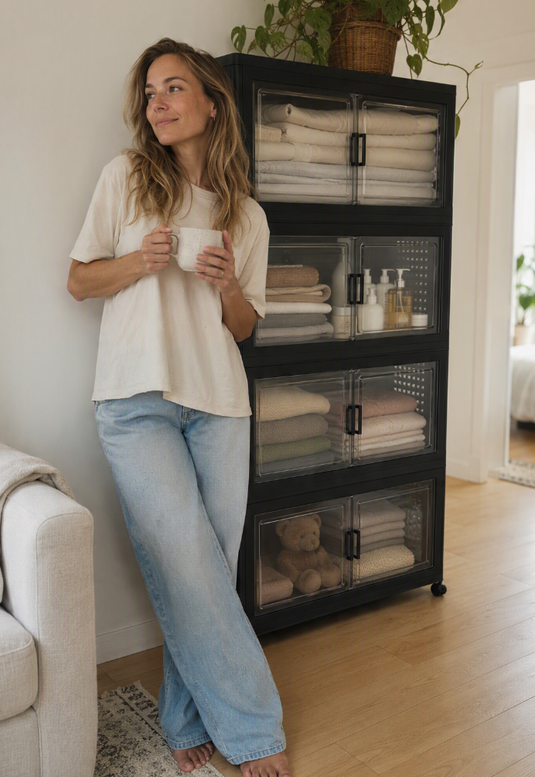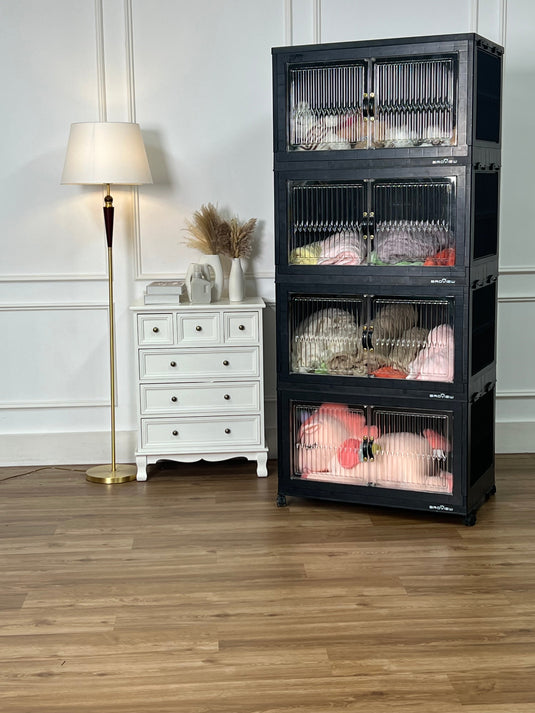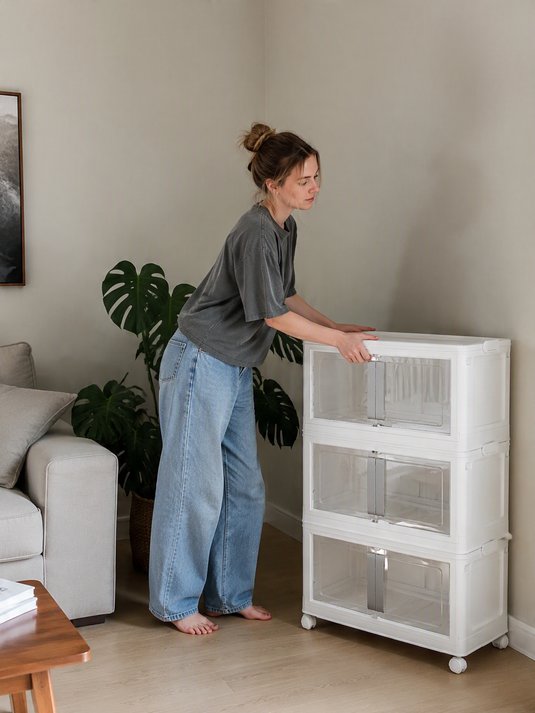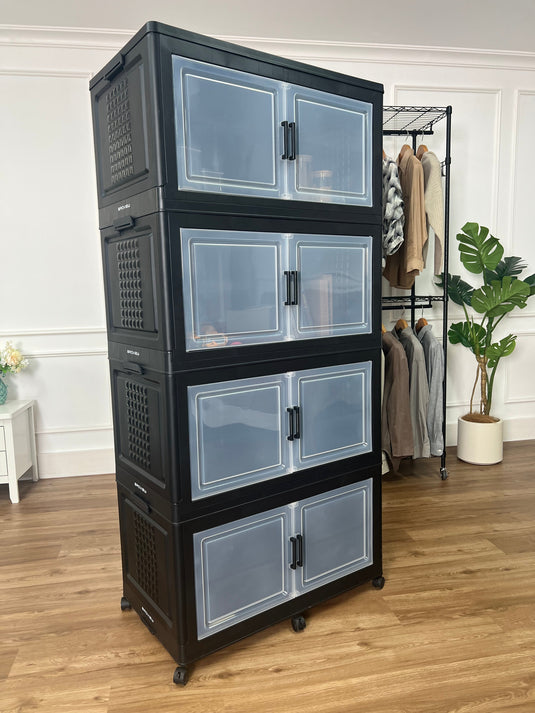
A cramped closet doesn’t always mean you need a bigger home or a brand-new wardrobe system. In many cases, the real issue is unused vertical space, mismatched hangers, bulky storage, or items living in the wrong zone. With a few strategic upgrades, you can make your closet feel larger, easier to use, and more polished without starting from scratch.
The best closet organization ideas focus on visibility, access, and smart storage. When every item has a clear place, you spend less time digging, buy fewer duplicates, and make better use of the clothes you already own. Use these practical closet makeover ideas to maximize every inch, from the top shelf to the floor.
1. Start With a Ruthless Closet Reset
Before adding bins, shelves, or organizers, remove everything from your closet and sort it into clear categories. This step may feel messy at first, but it gives you a realistic look at what you own and what is taking up valuable space.
Create simple piles:
-
Keep and wear often
-
Keep but store seasonally
-
Donate or sell
-
Repair or tailor
-
Recycle or discard
Be honest about what fits your current lifestyle. If you have items you never reach for because they are uncomfortable, outdated, damaged, or difficult to style, they are quietly stealing space from the pieces you actually love.
Once the closet is empty, wipe down shelves, vacuum the floor, and check for areas that could work harder. A clean, blank space makes it easier to plan the layout instead of putting everything back exactly where it was.
2. Switch to Slim, Matching Hangers
One of the fastest ways to double your hanging space visually and physically is to replace bulky plastic, wood, or mismatched hangers with slim, uniform hangers. Velvet or nonslip slim hangers are especially helpful because they keep clothing from sliding off while taking up less room on the rod.
This simple change can make a crowded closet look instantly calmer. It also helps garments hang at the same height, which creates a cleaner line and makes it easier to scan your wardrobe.
For best results:
-
Use one hanger style throughout the closet
-
Hang clothing in the same direction
-
Avoid doubling up multiple garments on one hanger unless it is intentional
-
Use clip hangers for skirts and trousers when needed
-
Remove empty hangers weekly so they do not create clutter
If your closet rod is packed tightly, this upgrade can create surprising breathing room without requiring tools or construction.

3. Add a Second Hanging Rod
Many closets have one rod with a large amount of wasted space underneath shorter garments. If most of your wardrobe includes shirts, blouses, folded trousers, skirts, or jackets, a second hanging rod can instantly expand your usable storage.
Install a lower rod beneath your existing one to create a double-hang section. Use the top rod for shirts, blazers, and lightweight jackets, then use the lower rod for pants, skirts, or additional tops.
A double-hang setup works especially well for:
-
Workwear
-
Kids’ clothing
-
Everyday tops
-
Folded pants hung over hangers
-
Short jackets and cardigans
Keep one full-length hanging section for dresses, coats, jumpsuits, or long garments. The goal is not to fill every inch with rods, but to match your storage layout to the clothing you actually own.
4. Use Vertical Shelf Dividers
Shelves can quickly become messy when stacks of sweaters, denim, handbags, or linens topple into one another. Shelf dividers create structure so each category stays in its lane.
Use dividers to separate:
-
Jeans
-
Sweaters
-
Sweatshirts
-
Handbags
-
Clutches
-
Towels or linens
-
Seasonal accessories
This is one of the most effective closet organization ideas for people who prefer folding over hanging. Instead of creating tall, unstable piles, keep stacks short and contained. If you cannot see what is in the pile, it is probably too high.
For an even cleaner look, group folded items by color, weight, or frequency of use. Store everyday basics at eye level and move occasional pieces higher up.
5. Turn the Closet Door Into Storage
The back of the closet door is often overlooked, but it can provide valuable storage for small items that otherwise clutter shelves and drawers. Over-the-door organizers are renter-friendly, affordable, and easy to install.
Depending on your needs, use the door for:
-
Shoes
-
Scarves
-
Belts
-
Hats
-
Jewelry
-
Small handbags
-
Hair accessories
-
Gloves and winter items
Clear pocket organizers are useful because they let you see everything at a glance. Hook-style racks are great for accessories you use daily. If you prefer a more polished look, choose a streamlined door rack or mounted hooks in a finish that matches your closet hardware.
For reach-in closets, door storage can free up shelf and rod space immediately. For walk-in closets, it can create a convenient zone for finishing touches before you get dressed.
6. Store Shoes by How Often You Wear Them
Shoes can take over a closet quickly, especially when they are scattered across the floor. Instead of lining up every pair randomly, organize shoes by frequency of use and season.
Keep everyday shoes in the easiest-to-reach area. Dress shoes, special occasion heels, or seasonal boots can go higher, lower, or in labeled boxes. This keeps prime closet real estate reserved for the pairs you actually wear.
Try these shoe storage options:
-
Stackable shoe shelves for floor space
-
Clear shoe boxes for visibility
-
Over-the-door pockets for flats or sandals
-
Boot shapers to keep tall boots upright
-
Under-shelf baskets for lightweight pairs
-
Cubbies for quick grab-and-go access
Avoid keeping shoes in bulky original boxes unless the boxes are labeled and fit your space well. Clear containers or open shelves usually make it easier to find what you need and prevent forgotten pairs from collecting dust.
7. Use Bins and Baskets for Awkward Items
Not everything belongs on a hanger or folded shelf. Bins and baskets are ideal for soft, bulky, or irregular items that tend to make closets look messy.
Use them for:
-
Workout gear
-
Pajamas
-
Swimwear
-
Seasonal accessories
-
Scarves
-
Hats
-
Extra handbags
-
Off-season clothing
-
Travel items
Choose bins that fit your shelves closely so you are not wasting space around them. Soft-sided bins are great for upper shelves because they are lightweight and easy to pull down. Structured baskets work well at eye level when you want a more decorative look.
Label each bin clearly. Even if you think you will remember where everything is, labels make the system easier to maintain. They are especially useful in shared closets or family spaces.
8. Make Use of the Floor Without Creating Clutter
The closet floor can be valuable storage space, but only if it is organized. When the floor becomes a drop zone, the entire closet feels chaotic. The trick is to add structure so items do not pile up.
Consider adding:
-
A low shoe rack
-
Stackable drawers
-
A rolling bin
-
A divided hamper
-
Storage cubes
-
A basket for returns or dry cleaning
If you use drawers, reserve them for items that do not need to be hung, such as workout clothes, socks, undergarments, or accessories. If you use a hamper, choose one that fits the closet footprint and is easy to remove on laundry day.
Leave a little open floor space if possible. A closet that is packed from wall to wall may hold more, but it can become frustrating to use. The goal is efficient storage that still feels accessible.
9. Create Seasonal Zones
One of the smartest closet makeover ideas is to stop treating every item like it needs equal access year-round. Heavy sweaters, holiday outfits, swimsuits, and winter accessories do not all need to occupy prime space at the same time.
Create seasonal zones based on what you use now versus what can be stored away. Keep current-season clothing within easy reach and move off-season pieces to higher shelves, under-bed containers, storage bins, or a less accessible section of the closet.
A simple seasonal system might look like this:
-
Everyday current-season pieces at eye level
-
Occasional current-season pieces on upper shelves
-
Off-season clothing in labeled bins
-
Special event outfits grouped together in garment bags
-
Weather-specific accessories in a dedicated basket
Rotate your closet two to four times per year. This habit keeps your wardrobe feeling fresh and prevents your closet from becoming overloaded with items you cannot currently wear.
10. Give Your Coat Closet a Smarter Layout
Entry closets often become catchalls for jackets, shoes, umbrellas, bags, sports gear, and random household items. A few thoughtful coat closet organization ideas can make this high-traffic space more functional for everyone.
Start by removing anything that does not belong near the door. Then divide the closet into zones for outerwear, shoes, accessories, and grab-and-go items.
Try these upgrades:
-
Add sturdy hooks for everyday jackets and bags
-
Use matching hangers for coats that need to stay on the rod
-
Place a shoe tray or low rack on the floor
-
Add labeled baskets for gloves, hats, and scarves
-
Store umbrellas in a narrow bin or stand
-
Use the top shelf for seasonal or occasional items
-
Add a small basket for pet leashes, reusable bags, or keys if needed
For families, assign each person a basket or hook. This reduces morning chaos and makes it easier for everyone to put things back where they belong.
Bonus Tips to Keep Your Closet Organized Longer
A closet makeover only works if the system is easy to maintain. Once you have reorganized the space, build a few simple habits into your routine.
Helpful habits include:
-
Follow a one-in, one-out rule for new clothing
-
Put laundry away before starting another load
-
Reset hangers and shelves once a week
-
Keep a donation bag nearby
-
Store rarely used items outside prime zones
-
Avoid buying organizers until you know exactly what you need
You can also arrange clothing by category, color, or outfit type. Choose the method that feels most natural to you. A beautiful system that does not match your habits will be hard to maintain, while a simple system you can follow daily will keep working for years.
Final Thoughts
Doubling your wardrobe space is not just about adding more storage. It is about making better use of the space you already have. Slim hangers, double rods, shelf dividers, door organizers, baskets, seasonal zones, and smarter floor storage can completely change how your closet functions.
Start with one or two closet organization ideas that solve your biggest pain point first. Once you see the difference, you can continue refining the space until your closet feels cleaner, larger, and easier to use every day.