Stepped on a LEGO one too many times this week? If your living room resembles a toy minefield, you're not alone. While a single, giant toy box seems like the answer, many parents find it just creates a bottomless pit where toys get lost. The secret isn’t a bigger box—it’s a smarter system. The goal is to make cleanup intuitive for children. When they can see and easily access their toys, they are far more likely to help put them away. Choosing the right sizes, materials, and styles will empower kids, reclaim your space, and turn daily chaos into calm.
Bins vs. Baskets vs. Furniture: What's Actually Right for Your Space?
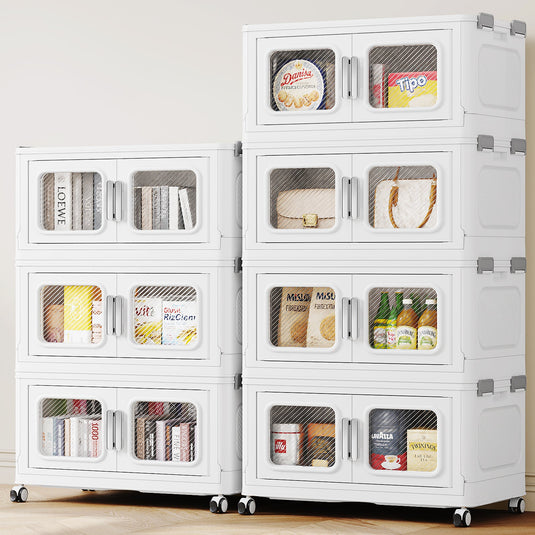
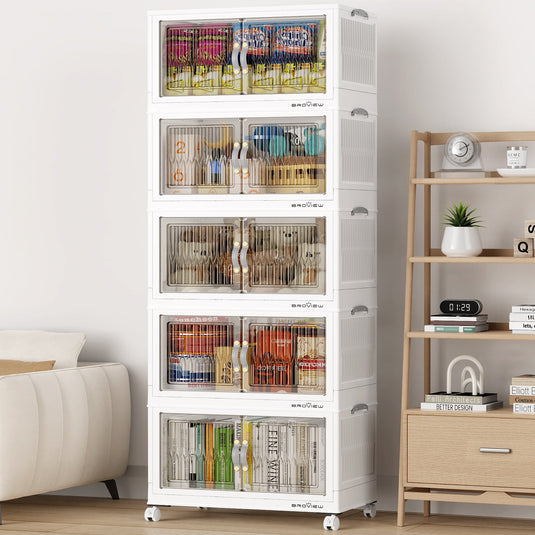
Think of storage furniture, like a cube shelf, as the skeleton of your organization system. It acts as your kids bookshelf with toy storage all in one, creating dedicated homes for different activities. This structure is the first step away from a giant, messy toy box and is the foundation that makes everything else work.
Inside that furniture, open-top plastic bins are the workhorses of the playroom. Since kids can see what’s inside, they’re less likely to dump everything out to find one car. This “grab-and-go” approach simplifies both playing and cleanup, as kids know exactly where things belong.
For shared spaces, however, you might want something that doesn't scream 'playroom.' This is where soft fabric or woven baskets shine. They are perfect living room toy storage solutions because they blend in with your decor. You can quickly toss in stray stuffed animals or blocks before guests arrive, reclaiming your adult space in seconds while keeping toys accessible.

To Lid or Not to Lid? The Secret to Faster Cleanups vs. Tidier Rooms
The decision to use lids is a trade-off: easy access for kids versus a perfectly tidy, stackable system. For younger children, lid-free bins are a clear win. They act as simple drop-zones, making it incredibly easy for toddlers to help with cleanup. These open tops are common on the most durable toy boxes for toddlers because there are no lids to break or fingers to pinch.
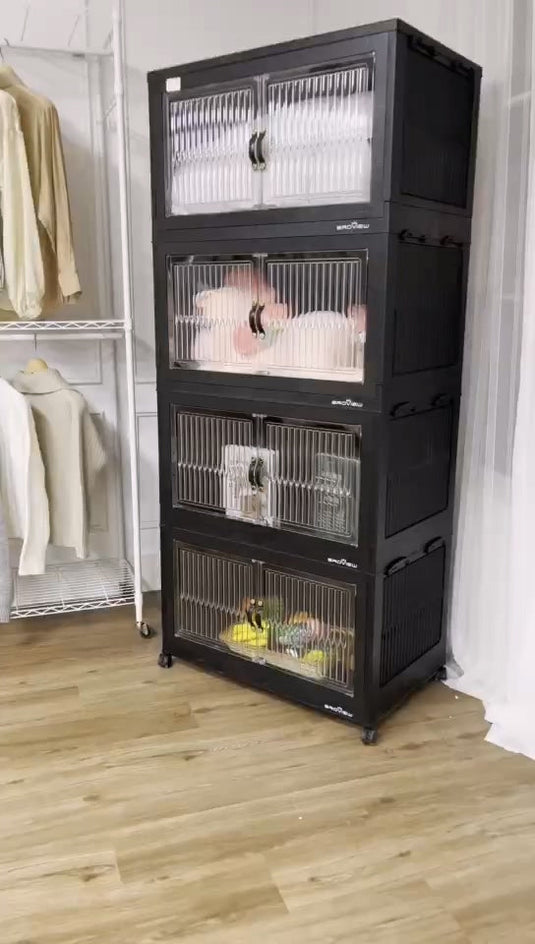
On the other hand, lids are your best friend for containing chaos. This is key if you’re figuring out how to organize toys without a playroom, as stackable toy storage with lids makes the most of vertical space.
Use Lids For: Stacking, dust-free storage, and sets with tiny pieces (like LEGOs).
Go Lid-Free For: Quick daily access, encouraging toddlers to help, and bulky items.
What Your Toy Box Is Made Of: Why Plastic Beats Fabric for Messy Play
The material of your toy bin plays a huge role in solving your clutter problem. For messy play—paints, slime, or play-doh—hard plastic is your non-negotiable best friend. It’s nearly indestructible and can be wiped clean in seconds, which is why many of the most durable toy boxes for toddlers are made from it. You won’t have to worry about a leaking marker ruining the container.
Fabric baskets, however, win on style. If you’re searching for living room toy storage solutions that don't scream "preschool," a soft fabric toy basket organizer is perfect. They add warmth to a room and are ideal for corralling soft items like stuffed animals, dress-up clothes, or throw blankets. Just remember they can collect dust and are much harder to clean after a sticky spill.
And what about wood? A classic wooden toy chest is a beautiful, heavy-duty option that often doubles as a bench. Reserve this choice for heirloom-quality storage or for containing bulky, heavy toys that would warp a lesser bin. It’s less of a grab-and-go solution and more of a permanent fixture.
How to Finally Conquer LEGOs, Stuffed Animals, and Art Supplies
While material choice helps, some toys defy simple storage. Tiny LEGO pieces, mountains of stuffed animals, and countless doll accessories create chaos in any bin. These specific challenges require a specific strategy.
The secret to storing LEGOs isn’t a deeper bin—it’s a shallower one. When kids can see all the pieces at a glance without digging, they’re far less likely to dump the entire container on the floor. Shallow, clear drawers are fantastic for this, making a simple tray or a set of food storage containers a great IKEA Trofast alternative.
For other common clutter culprits, try these parent-tested hacks:
Stuffed Animals: Instead of a heavy wooden chest, use a large, soft fabric basket or a hanging mesh "zoo." Both make it easy for kids to grab a friend and toss it back in at cleanup time. A large toy chest for stuffed animals should be lightweight and accessible.
Barbies & Action Figures: A clear, over-the-door shoe organizer is a game-changer. Each pocket perfectly holds a doll or its accessories, keeping them visible and off the floor.
Giving every toy category its own smart home makes cleanup faster and more intuitive for your kids. But if the sheer volume of toys is still the core problem, there’s one more powerful trick that can completely change the game.
The Pro Parent Move: How a Toy Rotation System Fights Clutter and Boredom
If you've organized everything but still feel overwhelmed, the problem isn't your bins—it's the sheer number of toys. This is where a toy rotation system helps. The concept is simple: put a portion of toys into storage and swap them out periodically. For your child, it feels like getting new toys every few weeks, sparking imagination and engagement.
Getting started is easy. You don’t need a complex schedule for your toy rotation system setup. Just grab two large, opaque bins and pack away about half the toys. In a month, or whenever you notice interest fading, swap them. Keeping the hidden toys completely out of sight is the secret to making old things feel new again.
This is a powerful part of any decluttering kids toys guide. Limiting choices creates a calmer play environment—a principle you’ll see in many Montessori toy storage ideas. With fewer toys out, cleanup is faster, play is more focused, and your home feels more peaceful.

Your Clutter-Free Home is Closer Than You Think
The secret to lasting toy clutter solutions isn’t a single perfect container, but a smart system. The key is mixing open baskets for easy access with lidded bins for all those tiny pieces.
Don't try to organize the entire playroom this weekend. Just pick one problem area, like the mountain of stuffed animals or the sea of LEGOs. Solving just that one category today is a powerful first step. You’re not just clearing a floor; you’re reclaiming your peace of mind.